My best friend Maya is the quietest person I know. She is the one at the dinner party who sits in the corner, nursing a single glass of wine, watching everyone else talk. She does not call me spontaneously. She does not send long voice messages or suggest group outings. She replies to texts in complete sentences but rarely initiates them. For years, I interpreted this as disinterest. I assumed she did not care about the friendship as much as I did.
I was wrong. When my mother was diagnosed with cancer last year, Maya was the first person to show up at my door. Not with a card or a casserole — with a blanket, a pot of tea, and the willingness to sit in silence with me for three hours while I cried. She did not try to fix it. She did not offer platitudes. She just stayed. And in that moment, I understood something I had missed for the entire decade of our friendship: Maya’s love language was presence. She did not express connection through words or plans. She expressed it through showing up, fully and without distraction, when it mattered most.
If you have an introverted friend — or a partner, a sibling, a colleague — you may have struggled with the same misunderstanding. Introverts are not antisocial. They are not cold, aloof, or uninterested. They connect differently. They prefer depth over breadth, one-on-one over groups, written words over phone calls, and quality time that does not require constant conversation. The books on this list taught me how to meet Maya where she is, and in doing so, they gave me the deepest friendship I have ever had.
Quick Pick if You’re Impatient
Start with Quiet by Susan Cain if you want to fundamentally understand how introverts think and what they need. If you want practical strategies for deepening one-on-one connections, read The Art of Gathering by Priya Parker. If you struggle with knowing what to say to quiet people, pick up How to Know a Person by David Brooks. And if you are an introvert yourself trying to deepen friendships, grab The Introvert’s Way by Sophia Dembling.

1. Quiet by Susan Cain
Rating: ⭐⭐⭐⭐⭐ (4.6/5) Who it’s for: Extroverts who want to understand the introverts in their lives — and introverts who want to understand themselves.
Susan Cain’s Quiet is the book that changed how the world thinks about introversion. Before this book, introversion was widely treated as a deficiency — something to overcome, fix, or compensate for. Cain showed that it is a temperament with its own strengths, preferences, and gifts.
The book draws on decades of research in psychology, neuroscience, and genetics to explain the biology of introversion. Introverts are not shy (shyness is about fear of judgment; introversion is about how you respond to stimulation). They are not antisocial (they crave connection, just in smaller, deeper doses). They are not lacking confidence (many of the world’s most effective leaders are introverts).
For anyone trying to build a deeper connection with an introverted friend, this book is the essential starting point. It will help you understand why your friend does not want to go to the party, why they need time alone after social events, and why they prefer texting to phone calls. It will also help you see the strengths they bring to the friendship — depth, loyalty, thoughtfulness, and the ability to truly listen.
“There’s zero correlation between being the best talker and having the best ideas.”
My take: Why it helps with introverted friends: It replaces misunderstanding with empathy by showing you how introverts actually experience the world.
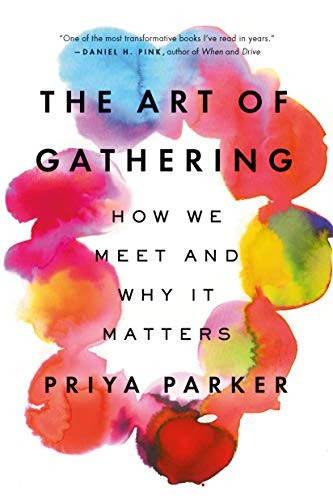
2. The Art of Gathering by Priya Parker
Rating: ⭐⭐⭐⭐⭐ (4.5/5) Who it’s for: People who want to create meaningful one-on-one and small-group experiences that introverts actually enjoy.
Priya Parker is a conflict resolution facilitator who has spent her career designing gatherings — from political negotiations to dinner parties. The Art of Gathering argues that most gatherings fail because they lack a clear, specific purpose. We invite people over without thinking about why. We plan group dinners without considering who will actually connect.
For building deeper connections with introverted friends, Parker’s most useful insight is about the power of specificity. Instead of saying “Let’s hang out sometime,” say “I want to cook dinner for you on Thursday and talk about the book you mentioned.” Instead of organizing a group outing, plan a one-on-one walk. Introverts thrive in gatherings with clear purposes, small numbers, and intentional design.
Parker also addresses the art of closing a gathering — something most hosts neglect. Introverts especially appreciate knowing when an event will end, because it helps them manage their social energy. A well-designed gathering with a clear ending is far more appealing to an introvert than an open-ended hangout.
“A gathering lives and dies by the quality of its guest list, not the quantity.”
My take: Why it helps with introverted friends: It teaches you to design social experiences that introverts actually look forward to.

3. How to Know a Person by David Brooks
Rating: ⭐⭐⭐⭐⭐ (4.5/5) Who it’s for: Anyone who wants to become the kind of person others feel safe opening up to — especially quiet, reserved people.
David Brooks is a New York Times columnist whose earlier book, The Social Animal, explored the science of human connection. How to Know a Person is his guide to the art of truly seeing other people — not just hearing their words, but understanding their inner world.
Brooks argues that most of us are terrible at making others feel seen. We interrupt, we redirect conversations to ourselves, we offer advice when what is wanted is understanding. For introverts, these patterns are especially damaging. Introverts open up slowly, and they only open up to people who have demonstrated that they will listen without judgment.
The book covers specific skills: asking open-ended questions, sitting with silence, noticing what is not being said, and creating what Brooks calls “a generous spotlight” — the experience of being with someone who makes you feel like the most interesting person in the room. These skills are learnable, and they are exactly what introverts need from their friends.
“The greatest gift you can give someone is the feeling of being seen.”
My take: Why it helps with introverted friends: It teaches you the listening skills that make quiet people feel safe enough to open up.

4. The Introvert’s Way by Sophia Dembling
Rating: ⭐⭐⭐⭐ (4.3/5) Who it’s for: Introverts who want to understand their own social preferences and stop apologizing for them — and the extroverts who love them.
Sophia Dembling is an introvert who writes with warmth and humor about the introvert experience. The Introvert’s Way is less academic than Quiet and more personal. It reads like a conversation with a friend who finally understands you.
Dembling covers the full range of introvert experiences: the exhaustion of social events, the joy of canceling plans, the preference for written communication, the need for solitude, and the deep satisfaction of a one-on-one conversation. She also addresses the social costs of introversion — the friendships that fade because you did not call back, the invitations you declined because you were too tired, the relationships that suffered because you could not explain your need for space.
For extroverts trying to connect with introverted friends, this book offers a crucial reframe: when your introverted friend cancels plans, it is not about you. It is about their energy. When they do not call, it does not mean they do not care. It means they express care differently.
“Introversion is not about being antisocial. It’s about being differently social.”
My take: Why it helps with introverted friends: It gives extroverts a window into the introvert experience and helps introverts stop apologizing for who they are.
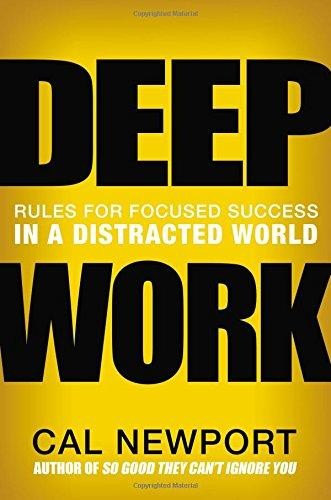
5. Deep Work by Cal Newport
Rating: ⭐⭐⭐⭐⭐ (4.5/5) Who it’s for: People who want to understand why their introverted friends are so protective of their time and attention — and how to respect those boundaries.
Cal Newport is a computer scientist whose book Deep Work is about the value of focused, distraction-free concentration. It is not a book about introversion. But it belongs on this list because it explains something that frustrates many extroverts: why introverts are so protective of their time and attention.
Newport argues that the most valuable work in the modern economy is deep work — the ability to focus without distraction on cognitively demanding tasks. Introverts are naturally drawn to deep work because it aligns with their preference for solitude and concentration. When your introverted friend declines a lunch invitation because they “need to focus,” they are not making an excuse. They are protecting the resource that matters most to them.
Understanding this changes how you approach invitations. Instead of saying “Let’s grab lunch,” try “I’d love to see you this week. When is a good time that works with your schedule?” Giving introverts control over the timing of social interactions makes them more likely to say yes.
“Who you are, what you think, feel, and do, what you love — is the sum of what you focus on.”
My take: Why it helps with introverted friends: It explains why introverts guard their time so fiercely and shows you how to respect their need for focus.

6. Set Boundaries, Find Peace by Nedra Tawwab
Rating: ⭐⭐⭐⭐⭐ (4.5/5) Who it’s for: Extroverts who take their introverted friend’s need for space personally — and introverts who struggle to communicate their boundaries.
Nedra Tawwab is a therapist whose book about boundaries is one of the most practical guides on the subject. For introvert-extrovert friendships, boundary-setting is essential. Introverts need boundaries around their time, their energy, and their social commitments. Extroverts need to understand that these boundaries are not rejections — they are the conditions that make the friendship possible.
Tawwab covers every type of boundary, and her scripts for communicating boundaries are especially useful. She shows introverts how to say “I need some time alone this weekend” without guilt, and she shows extroverts how to hear “I can’t make it tonight” without interpreting it as “I do not want to see you.”
The most useful concept for introvert friendships is Tawwab’s distinction between “boundaries” and “walls.” A boundary says: “I need this to be able to show up fully in our friendship.” A wall says: “I am shutting you out.” The difference is intention. Boundaries are about preserving the relationship. Walls are about ending it.
“Boundaries are the distance at which I can love you and me simultaneously.”
My take: Why it helps with introverted friends: It teaches both sides how to communicate and respect boundaries without taking them personally.
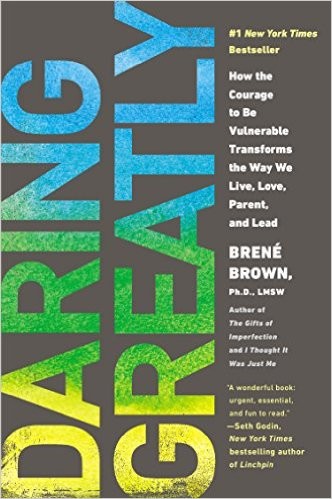
7. Daring Greatly by Brené Brown
Rating: ⭐⭐⭐⭐ (4.4/5) Who it’s for: People who want to build the kind of trust that makes introverts feel safe enough to share their inner world.
Brené Brown’s research on vulnerability is directly relevant to building deeper connections with introverts. Introverts do not share their inner world casually. They share it with people who have earned their trust — people who have demonstrated that they can be vulnerable without being judged.
Brown argues that vulnerability is the birthplace of connection. You cannot build a deep friendship without risk. You have to share something real, something uncomfortable, something that could be rejected. For introverts, this risk feels especially high, because their inner world is rich and private. They share it selectively, and they share it only with people who have gone first.
Daring Greatly teaches you to be the person who goes first. To share your own fears, failures, and imperfections. To create the emotional safety that makes your introverted friend feel comfortable doing the same.
“Vulnerability is not winning or losing; it’s having the courage to show up and be seen.”
My take: Why it helps with introverted friends: It shows you that the path to deeper connection runs through your own willingness to be vulnerable first.

8. Men Are from Mars, Women Are from Venus by John Gray
Rating: ⭐⭐⭐⭐ (4.2/5) Who it’s for: People who want to understand the mechanics of communication differences — applied to introvert-extrovert dynamics.
While this book is about gender differences in communication, its core insight applies equally to introvert-extrovert dynamics: people communicate differently, and misunderstanding those differences is the most common source of conflict in relationships.
Gray’s framework — that some people need to talk to process their feelings while others need to retreat and process internally — maps directly onto the extrovert-introvert divide. Extroverts think out loud. Introverts think internally and then share. If you are an extrovert who needs to talk through every problem, you may overwhelm your introverted friend. If you are an introvert who retreats when stressed, your extroverted friend may feel shut out.
The book teaches you to recognize your own communication style and to adapt to the style of the person you are connecting with. It is not about changing who you are. It is about learning to translate between two different languages.
“When we expect others to think, feel, and behave the way we do, we set ourselves up for disappointment.”
My take: Why it helps with introverted friends: It gives you a framework for understanding communication differences and adapting your approach.
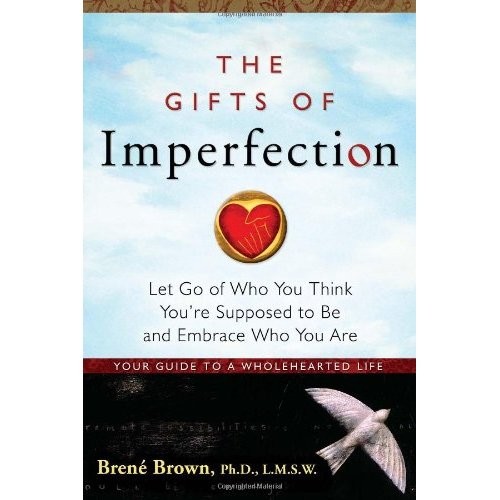
9. The Gifts of Imperfection by Brené Brown
Rating: ⭐⭐⭐⭐ (4.5/5) Who it’s for: People who want to build authentic friendships based on acceptance rather than performance.
Brown’s earlier book focuses on what she calls “wholehearted living” — the practice of showing up as you are, without pretense. For introvert friendships, this is essential. Introverts are often deeply attuned to authenticity. They can tell when someone is performing, and they withdraw from relationships that feel superficial.
The book covers ten guideposts for wholehearted living, including cultivating self-compassion, letting go of perfectionism, and embracing your authentic self. For building deeper connections with introverts, the most relevant guidepost is “cultivating creativity” — the idea that shared creative activities (cooking together, reading the same book, hiking, making art) build deeper bonds than social events centered on conversation.
Many introverts prefer doing things together over sitting and talking. A friendship built around shared activities — rather than shared words — often goes deeper than one built on conversation alone.
“Authenticity is a collection of choices that we have to make every day.”
My take: Why it helps with introverted friends: It shows you how to build friendships on acceptance and shared experience rather than social performance.

10. The Lost Art of Listening by Michael P. Nichols
Rating: ⭐⭐⭐⭐ (4.3/5) Who it’s for: Anyone who wants to become a better listener — the single most important skill for connecting with introverts.
Michael Nichols is a family therapist, and The Lost Art of Listening is his guide to the skill that underlies all deep connection. Nichols argues that most of us are terrible listeners. We listen to respond, not to understand. We interrupt, advise, and relate everything back to ourselves. And we wonder why our quiet friends stop talking.
The book covers the barriers to listening (defensiveness, self-absorption, the need to fix), the skills of good listening (reflecting, validating, asking follow-up questions), and the specific types of listening that different relationships require. For introverts, the most important type is “empathic listening” — listening that communicates “I hear you, I understand you, and I am not going to try to change what you feel.”
Introverts do not need you to solve their problems. They need you to witness their experience. Nichols teaches you how.
“Listening is not about waiting for your turn to talk.”
Why it helps with introverted friends: It teaches you the listening skills that make introverts feel truly heard — which is what they value most in a friendship.
Frequently Asked Questions
How do I know if my friend is introverted or just not interested?
Introversion is about energy, not interest. An introverted friend will show up when it matters — when you are sick, when you are heartbroken, when you need help moving. They may not initiate plans often, but they will remember details about your life, ask thoughtful questions when you do talk, and offer their full attention during one-on-one time. A disinterested friend will do none of these things.
Why do introverts cancel plans so often?
Introverts have a limited social battery. When that battery is depleted — by work, family obligations, or other social events — they genuinely do not have the energy to show up. Canceling plans is not a rejection of you. It is a response to their internal state. Giving introverts advance notice about plans and offering flexible scheduling (rather than open-ended invitations) makes them less likely to cancel.
How can I make an introverted friend feel comfortable in social settings?
Give them an out. Let them know they can leave early without judgment. Introduce them to one or two people instead of throwing them into a large group. Check in during the event — a quiet “Are you doing okay?” goes a long way. And never call attention to their quietness in front of others.
What if I am an extrovert and need more social interaction than my introverted friend can provide?
This is normal and healthy. One friendship does not need to meet all your social needs. Maintain a diverse social circle that includes both introverts and extroverts. Enjoy deep connection with your introverted friend and energetic socializing with your extroverted friends. Trying to make one person meet all your needs will damage the relationship.
Can introverts have deep friendships with other introverts?
Absolutely. In fact, introvert-introvert friendships often go deeper faster because both people share the same communication preferences. The challenge is initiation — neither person may reach out first. The solution is to establish rituals: a weekly walk, a monthly book exchange, a standing coffee date. Rituals remove the need for spontaneous initiation.
How do I repair a friendship with an introvert after a misunderstanding?
Be direct, be brief, and be honest. Introverts appreciate clarity. Write a message (they often prefer written communication) that acknowledges what happened, takes responsibility for your part, and asks how they would like to move forward. Do not demand an immediate response. Give them time to process.
What is the best way to stay connected with an introverted friend between visits?
Text. Share articles, memes, or photos that made you think of them. Ask a specific question (“How did the presentation go?”) rather than a general one (“How are you?”). Send a voice message instead of calling. Respect that they may not respond immediately, and do not take delayed responses as disinterest.
How can I show an introverted friend I care without overwhelming them?
Small, thoughtful gestures matter more to introverts than grand social displays. A handwritten note. A book you think they would love. A text that says “I was thinking about you.” An invitation to a one-on-one activity instead of a group event. These low-energy expressions of care are exactly what introverts need.
Final Thoughts
Maya and I have been friends for twelve years now. We have never had a single dramatic falling-out. We have never gone months without speaking. We have never competed, gossiped, or kept score. What we have done is shown up — quietly, consistently, and without fanfare — for every moment that mattered.
She taught me that friendship does not require constant contact. It requires constant care. And that the deepest connections are often the quietest ones.
My take: If you have an introverted friend you want to know better, stop trying to make them louder. Start learning to listen softer.
Which book are you grabbing first?
Disclosure: This article contains affiliate links. If you purchase through these links, we may earn a small commission at no extra cost to you. We only recommend books we have personally read and believe in.
Never miss a life-changing book.
Get our spoiler-free book picks every Tuesday.