The morning after we put Biscuit down, I woke up at 5:47 a.m. — the exact time she used to nudge my hand with her wet nose, demanding breakfast. The house was so quiet I could hear the refrigerator humming. I lay there for twenty minutes, waiting for a sound that would never come again.
Biscuit was a scruffy, 14-year-old terrier mix who had been with me through two apartments, one divorce, a career change, and a global pandemic. She was the reason I got outside on days when the world felt like too much. She was the warm body at the foot of my bed during the loneliest year of my life. And when I held her at the vet’s office, her breathing slowing, her eyes trusting me even at the end, I thought: this is the hardest thing I’ve ever done.
What I wasn’t prepared for was how alone I’d feel in my grief. People at work said things like, “She was just a dog” or “Are you going to get another one?” My sister told me I was “overreacting.” A well-meaning friend suggested I “focus on the positive.” I smiled through all of it, then went home and cried on the kitchen floor.
If you’ve lost a pet and feel like the world doesn’t understand the depth of your pain, these ten books are for you. They understand. And they’ll help you find your way through.
Quick Pick: The Book I Recommend First
The Loss of a Pet by Wallace Sife. This is the most comprehensive, compassionate guide to pet bereavement I’ve found. Sife was a pioneering pet grief counselor, and his book covers every dimension of the experience — the shock, the guilt, the loneliness, the unexpected triggers. It’s been revised and updated multiple times, and it remains the gold standard.
10 Best Books for Coping With Pet Loss

1. The Loss of a Pet: A Guide to Coping with the Grieving Process When a Pet Dies
Author: Wallace Sife Rating: ⭐⭐⭐⭐⭐ (4.5/5) Who it’s for: Anyone struggling with the grief of losing a pet and needing validation that their pain is real
“This book saved me during the darkest weeks after losing my cat. For the first time, someone told me my grief was normal and real.” — Goodreads reviewer
My take: Wallace Sife is one of the founding figures in pet bereavement counseling, and this book reflects decades of clinical experience. Now in its fourth edition, it covers every stage of pet loss grief — from the initial shock and disbelief through anger, guilt, depression, and eventual acceptance.
What sets this book apart is its breadth. Sife doesn’t just address the death of a pet. He also covers other forms of pet loss: a pet that runs away, a pet that must be rehomed, a pet that dies suddenly versus one that declines over time. He addresses the guilt many pet owners feel about euthanasia decisions, the unique pain of losing a pet who was your sole companion, and the complicated feelings that arise when others minimize your grief.
The book includes brief case histories from Sife’s counseling practice, which make the advice feel grounded and real rather than abstract. I found myself underlining passages on nearly every page, particularly the sections on guilt and the “what if I had done something differently” spiral.
2. Life After Pet Loss
Author: Judith Eve Rosen, LCSW Rating: ⭐⭐⭐⭐⭐ (4.6/5) Who it’s for: Anyone who wants a gentle, daily companion through the first year of grief
“I read one page each morning. It was like having a kind therapist sitting beside me, saying all the things I needed to hear.” — Amazon reviewer
My take: Judith Eve Rosen is a licensed psychotherapist with specialty training in veterinary social work, and this book offers a full year of daily reflections for pet loss grief. Each entry is short — just a page or two — which is exactly what you need when concentrating feels impossible.
The reflections move through the natural rhythms of a year, acknowledging that grief changes with the seasons. Holidays, anniversaries, and the “firsts” (first morning without your pet, first walk to the park alone, first time you accidentally buy their food at the store) are all addressed with compassion and specificity.
What makes this book unique is its framing of grief as an ongoing relationship rather than something to “get over.” Rosen doesn’t ask you to move on. She asks you to carry your pet’s memory forward in a way that honors both your love and your loss. It’s the book I wish I’d had on day one.

3. Good Grief: On Loving Pets, Here and Hereafter
Author: E.B. Bartels Rating: ⭐⭐⭐⭐⭐ (4.5/5) Who it’s for: Anyone who wants to understand pet loss through a cultural and historical lens
“Bartels made me feel less alone by showing me that humans have loved and mourned their animals for thousands of years. My grief was ancient and universal.” — Goodreads reviewer
My take: E.B. Bartels is a nonfiction writer and animal lover who has had many pets — dogs, birds, fish, tortoises. This book is her exploration of how different cultures and individuals grieve their animal companions. She travels from Massachusetts to Japan, from ancient Egypt to the modern era, interviewing veterinarians, ministers, archaeologists, and ordinary pet owners along the way.
The book is part memoir, part cultural history, and part grief guide. Bartels writes with warmth and humor about her own pets and their deaths, while also investigating the traditions and rituals humans have created for mourning animals. From elaborate pet cemeteries to taxidermy to cloning, she explores the full range of responses to pet death.
What makes this book so valuable is its central lesson: there is no “right” way to grieve a pet. Bartels validates every approach, from the practical to the unconventional, and shows that the only universal truth is this — you cared for your pet in life, and you deserve to grieve them in death.
4. Honoring Our Animals: A Year of Healing After Pet Loss
Author: Beth Bigler Rating: ⭐⭐⭐⭐⭐ (4.5/5) Who it’s for: Anyone who wants daily rituals and guided practices for processing pet grief
“Beth Bigler writes about pet loss the way it deserves to be treated — with reverence, tenderness, and respect.” — Amazon reviewer
My take: Beth Bigler is a pet loss grief counselor, and this book is organized around the four seasons, offering daily meditations, affirmations, and intentional practices for each phase of the year. Each section includes prompts for reflection, creative exercises, and simple rituals you can do at home.
Bigler’s approach is notable for her careful language. She uses “beloved” instead of “pet” and “transition” instead of “death,” not to avoid the reality of loss, but to honor the ongoing nature of the bond. She also includes a feelings wheel — a visual tool for identifying and naming the complex emotions that arise in pet grief, from longing and guilt to loneliness and shock.
This is the most practical book on the list. If you’re someone who needs structure and daily practice to process grief, Bigler provides exactly that. The prompts are gentle enough for days when you can barely function, and substantial enough for days when you’re ready to go deeper.

5. The Art of Racing in the Rain
Author: Garth Stein Rating: ⭐⭐⭐⭐⭐ (4.6/5) Who it’s for: Anyone who needs a beautiful story about the bond between a human and their dog
“I read this book six months after losing my golden retriever. I cried so hard on the subway that a stranger asked if I was okay. I said yes. I was healing.” — Goodreads reviewer
My take: This novel is narrated by Enzo, a labrador-terrier mix who is nearing the end of his life and reflecting on the years he spent with his owner, Denny, a race car driver. Enzo is philosophical, loyal, and wise beyond his years, and his observations about the human condition are surprisingly profound.
This is the only fiction book on the list, and I include it because sometimes the deepest healing comes through story rather than advice. Enzo’s narration captures the essence of what it means to be a dog — the unconditional love, the patience, the ability to live completely in the present moment. Reading his story felt like spending one more afternoon with Biscuit.
I’ll warn you: this book will make you cry. Not a little. A lot. But the tears are healing ones. Stein writes about the bond between humans and animals with such tenderness that by the end, you’ll feel grateful for the time you had rather than only devastated by the time you lost.

6. Marley & Me: Life and Love With the World’s Worst Dog
Author: John Grogan Rating: ⭐⭐⭐⭐⭐ (4.5/5) Who it’s for: Anyone who loved a chaotic, imperfect dog and wants to laugh and cry at the same time
“This book made me laugh about my dog’s ridiculous antics and then cry about the hole he left in my life. It’s the full spectrum of loving an animal.” — Amazon reviewer
My take: John Grogan’s memoir about his family’s yellow Labrador retriever, Marley, is one of the most beloved pet books ever written — and for good reason. Marley was a disaster. He flunked obedience school, ate everything in sight, and once swallowed a gold necklace. But he was also the most loving, joyful, and present creature the Grogan family had ever known.
The book follows Marley from puppyhood to old age, and the final chapters — about Marley’s declining health and eventual death — are among the most emotionally devastating things I’ve ever read. Grogan doesn’t sentimentalize the loss. He shows you exactly what it feels like to watch your dog slow down, to make the impossible decision, and to come home to an empty house.
What I love about this book is its honesty about the full experience of pet ownership — the mess, the expense, the inconvenience, and the overwhelming love that makes all of it worth it. Marley wasn’t a perfect dog. But he was the perfect dog for that family. And isn’t that what every pet owner knows in their heart?

7. Going Home: Finding Peace When Pets Die
Author: Jon Katz Rating: ⭐⭐⭐⭐ (4.4/5) Who it’s for: Anyone seeking a thoughtful, practical guide to navigating pet grief
“Jon Katz doesn’t tell you how to feel. He just sits with you in the mess and says, ‘Yeah. This is what it’s like.'” — Goodreads reviewer
My take: Jon Katz is a journalist and author who has written extensively about animals and rural life. This book is his personal and practical exploration of pet death, written after the loss of several beloved dogs on his farm in upstate New York.
Katz writes with a journalist’s directness and a dog lover’s tenderness. He addresses the questions that keep pet owners awake at night: Did I do enough? When is it time? How do I explain this to my children? Should I get another pet? His answers are honest, sometimes uncomfortable, and always compassionate.
What I appreciate about Katz’s approach is his emphasis on ritual. He argues that humans need rituals to process grief, and that most cultures have failed to provide adequate rituals for pet loss. He suggests creating your own — whether that’s a memorial service, a photo album, a donation to an animal shelter, or simply a quiet hour of remembering.
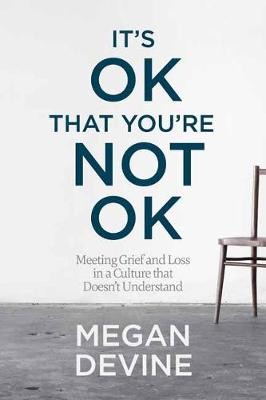
8. It’s OK That You’re Not OK: Meeting Grief and Loss in a Culture That Doesn’t Understand
Author: Megan Devine Rating: ⭐⭐⭐⭐⭐ (4.7/5) Who it’s for: Anyone whose grief — including pet grief — has been minimized or dismissed by others
“This book gave me permission to grieve without apology. It didn’t fix my pain. It just told me the truth: my pain was real.” — Amazon reviewer
My take: Megan Devine is a therapist who wrote this book after her partner drowned, and it’s become one of the most recommended grief books of the past decade. It’s not specifically about pet loss, but its message applies perfectly: our culture is terrible at grief, and the platitudes people offer (“They’re in a better place,” “At least they’re not suffering anymore”) often cause more harm than good.
Devine’s central argument is that grief doesn’t need to be fixed. It needs to be witnessed. She pushes back against the idea that there’s a “right” way to grieve or a timeline for recovery. She validates the messy, contradictory, and sometimes frightening reality of deep loss.
I include this book because pet owners often face a double dismissal: not only is their grief minimized (“It was just an animal”), but the cultural support systems that exist for human loss — bereavement leave, sympathy cards, funeral rituals — are rarely extended to pet owners. Devine’s book is a lifeline for anyone whose pain has been met with silence or judgment.
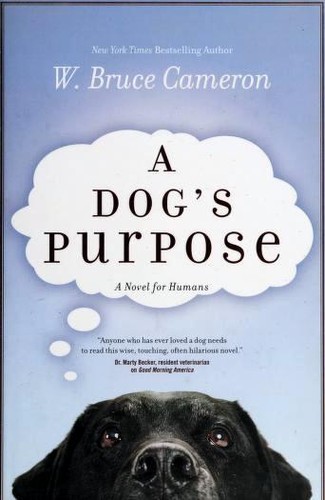
9. A Dog’s Purpose
Author: W. Bruce Cameron Rating: ⭐⭐⭐⭐ (4.4/5) Who it’s for: Anyone who wants to believe their pet’s life had meaning beyond what they can see
“I don’t know if dogs have a purpose. But after reading this book, I knew my dog’s purpose was to save me.” — Goodreads reviewer
My take: W. Bruce Cameron’s novel follows a dog through multiple lives as he searches for his purpose. Each life teaches him something new about love, loyalty, and the meaning of companionship. The book is told from the dog’s perspective, which gives it a warmth and innocence that’s hard to resist.
This is a gentler, more hopeful companion to The Art of Racing in the Rain. Where Stein’s book deals with the raw pain of loss, Cameron’s book focuses on the idea that the bond between humans and dogs transcends a single lifetime. It’s a comforting thought for anyone who has whispered to their dying pet, “I’ll see you again.”
The book was made into a film in 2017, but the novel is far more nuanced and emotionally complex. If you’re in the early stages of pet grief and need something that feels warm rather than devastating, this is a good place to start.
10. The Grief Recovery Handbook for Pet Loss
Authors: Russell Friedman, Cole James, and John W. James Rating: ⭐⭐⭐⭐ (4.3/5) Who it’s for: Anyone who wants a structured, step-by-step program for processing pet grief
“This workbook-style approach was exactly what I needed. I couldn’t just read about grief — I needed to do something with it.” — Amazon reviewer
My take: This book is adapted from the classic Grief Recovery Handbook, specifically tailored to pet loss. It’s the most structured book on this list — a workbook-style guide that walks you through a specific process for completing the unfinished business of grief.
The authors identify several types of “incomplete” grief that pet owners commonly experience: unexpressed feelings, unfulfilled hopes and dreams (like the trip you planned to take with your dog), and unresolved conflicts (including guilt over euthanasia decisions). The book provides writing exercises and structured conversations to help you address each one.
This isn’t a book you read in a weekend. It’s a process — one that requires time, effort, and a willingness to sit with uncomfortable emotions. But for pet owners who feel stuck in their grief, who can’t seem to move past the guilt or the anger or the crushing sadness, this book provides a clear path forward.
Frequently Asked Questions
Is it normal to grieve a pet as much as a person?
Yes. Research consistently shows that the grief experienced after pet loss can be as intense — and sometimes more intense — than the grief after losing a human loved one. This is because pets often serve as primary attachment figures, especially for people who live alone. Wallace Sife’s The Loss of a Pet and Megan Devine’s It’s OK That You’re Not OK both address this directly. Your grief is real, valid, and deserves to be honored.
Why do people minimize pet grief?
Our culture lacks adequate language and rituals for pet loss. When someone says “It was just a dog,” they’re revealing the limits of their empathy, not the limits of your love. Megan Devine’s It’s OK That You’m Not OK explores why our culture is so bad at grief in general, and pet grief in particular. The book helps you stop seeking validation from people who can’t give it and start finding support from those who can.
How do I cope with guilt over euthanasia?
The guilt of euthanasia — “Did I do it too soon? Too late? Did I give up on them?” — is one of the most common forms of pet grief. Wallace Sife’s The Loss of a Pet has an entire chapter on this. The Grief Recovery Handbook for Pet Loss also provides structured exercises specifically for processing euthanasia guilt. The truth is: if you made the decision out of love, you made the right one. Your pet didn’t understand suffering — they only understood that you were there.
Should I get another pet right away?
There’s no universal answer. Some people need time before opening their hearts again. Others find that caring for a new animal helps them heal. Jon Katz’s Going Home discusses this decision with nuance, acknowledging that a new pet isn’t a “replacement” — it’s a new relationship. Give yourself permission to decide on your own timeline, without pressure from others.
How do I explain pet loss to my children?
Marley & Me and The Art of Racing in the Rain are both accessible to older children and teens. For younger children, picture books like Where Are You, Brontë? can help start the conversation. The key is honesty: use real words like “died” rather than euphemisms like “went to sleep,” and give children space to feel and express their grief.
What if my grief feels disproportionate to the situation?
It’s not disproportionate. If your pet was your primary companion, your source of routine, your emotional anchor — their loss reshapes your entire daily existence. E.B. Bartels’ Good Grief explores how the depth of pet grief reflects the depth of the bond, not the “status” of the relationship. Losing a pet who was with you 16 hours a day is a seismic event. Let it be.
Are there support groups for pet loss?
Yes, and many are free. The ASPCA Pet Loss Hotline, local veterinary schools, and online communities like the Rainbow Bridge forums provide spaces where your grief will be understood. Judith Eve Rosen’s Life After Pet Loss and Beth Bigler’s Honoring Our Animals also reference support resources throughout their texts.
Final Thoughts
I still say goodnight to Biscuit every night. Her collar hangs on a hook by the front door. Her water bowl is still in the kitchen — I haven’t been able to put it away, even though it’s been eight months.
People tell me it’s time to “move on.” But I don’t think moving on is the point. The point is moving forward — with her memory woven into my life like a thread I can’t see but always feel.
If you’re reading this with tears on your face and an empty space where your pet used to be, I want you to know: your grief is not too much. Your love was not wasted. And the pain you feel right now is the price of having loved something with your whole heart.
That’s worth every tear.
Which book are you grabbing first?
Disclosure: This article contains Amazon affiliate links. If you purchase through these links, we may earn a small commission at no extra cost to you. We only recommend books we’ve genuinely read and believe in.
Never miss a life-changing book.
Join 10,000+ readers getting our data-driven picks every Tuesday.