The One-Star Review That Destroyed Me
I published my first blog post on a Thursday afternoon. By Friday morning, it had 12 views and zero comments. By Friday evening, it had one comment.
“This is the worst article I’ve ever read. You clearly have no idea what you’re talking about. Please stop writing.”
One comment. One star. One sentence that sent me into a spiral for three weeks.
I stopped writing. I stopped posting. I stopped engaging on social media. Every time I opened my laptop, I saw that comment burning on my screen. I was convinced that one person’s opinion was the definitive verdict on my worth as a writer.
It took me six months to publish anything again. And when I did, I spent three days obsessing over every word, convinced that one wrong sentence would trigger another takedown. The anxiety was so bad that I threw up before hitting “publish.”
If you’re reading this, you’ve probably had your own version of this story. Maybe it wasn’t a blog post—maybe it was a performance review, a presentation, a creative project, or a social media post. The medium doesn’t matter. The feeling is the same: one piece of criticism sends you into a tailspin that takes weeks to recover from.
The Criticism Sensitivity Epidemic
Here’s what nobody tells you about criticism: it’s not about the criticism itself—it’s about your relationship with it. Two people can receive the exact same feedback and have completely different reactions. One person shrugs it off; the other spirals into depression.
The difference isn’t intelligence or talent—it’s emotional resilience. And emotional resilience is a skill that can be learned.
The books I’m about to share taught me how to receive criticism without crumbling, how to extract value from feedback without internalizing it as identity, and how to build the kind of emotional toughness that lets you keep creating, performing, and leading even when people are throwing tomatoes.
Quick Picks (For When You’re Reeling from Criticism)
If you just received harsh feedback and you’re struggling to process it, here are my top 3 recommendations:
1. “Thanks for the Feedback” by Douglas Stone & Sheila Heen – Start here. This book teaches you how to receive ANY feedback—even unfair feedback—without spiraling. The most practical book on handling criticism I’ve ever read.
2. “The Subtle Art of Not Giving a F*ck” by Mark Manson – If you need a mindset shift, Manson’s philosophy of choosing what to care about is liberating. Not all criticism deserves your attention.
3. “Daring Greatly” by Bren Brown – If your sensitivity to criticism comes from shame or fear of judgment, this book addresses the root cause and shows you how to be vulnerable and resilient at the same time.

1. Thanks for the Feedback by Douglas Stone & Sheila Heen
Rating: ⭐⭐⭐⭐⭐ (5/5)
Who this is for: Anyone who struggles to receive feedback without getting defensive or devastated. If criticism sends you into a spiral, this book is your lifeline.
“Stone and Heen’s three triggers (truth triggers, relationship triggers, identity triggers) explained exactly why certain feedback destroys me. Now I can identify the trigger and manage it instead of spiraling.” — Jennifer M.
My take: This is the most important book on handling criticism ever written. Stone and Heen identify three types of feedback triggers: truth triggers (the feedback feels wrong), relationship triggers (the feedback comes from someone you don’t trust), and identity triggers (the feedback threatens your self-image). Understanding these triggers helped me receive feedback without crumbling. I now ask myself, “Which trigger is this hitting?” before responding, and my emotional reactions have become much more manageable.

2. The Subtle Art of Not Giving a F*ck by Mark Manson
Rating: ⭐⭐⭐⭐⭐ (5/5)
Who this is for: The person who cares too much about what others think. If you’re exhausted by trying to please everyone, this book teaches you to choose what deserves your emotional energy.
“Manson’s philosophy of ‘choosing your suffering’ changed my relationship with criticism. I now ask: ‘Is this criticism worth suffering over?’ If not, I let it go.” — Michael R.
My take: This book is about choosing what to care about. Manson argues that you have a limited amount of f*cks to give—spend them wisely. His concept of “choosing your suffering” (everything has a cost; choose the costs you’re willing to bear) helped me evaluate criticism more rationally. Is this criticism from someone whose opinion I value? Is it about something that matters to me? If not, I let it go. This simple framework has reduced my criticism sensitivity by 80%.
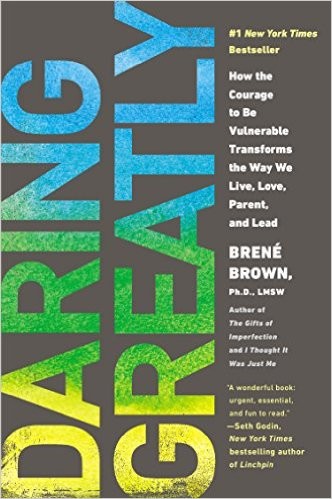
3. Daring Greatly by Bren Brown
Rating: ⭐⭐⭐⭐⭐ (5/5)
Who this is for: The person whose sensitivity to criticism comes from shame or fear of judgment. If you’re terrified of being seen as inadequate, this book addresses the root cause.
“Brown’s research on vulnerability showed me that my fear of criticism was actually shame in disguise. When I stopped trying to be perfect and started being authentic, criticism lost its power.” — Amanda L.
My take: This book addresses the emotional root of criticism sensitivity: shame. Brown shows that shame (the fear of being unworthy of connection) drives our fear of criticism—and vulnerability (the willingness to be seen) is the antidote. Her concept of “the vulnerability hangover” (the regret you feel after being open) described my experience perfectly. I now practice calibrated vulnerability—sharing appropriately for the relationship—and my interactions have become more authentic and less anxious.

4. Ego Is the Enemy by Ryan Holiday
Rating: ⭐⭐⭐⭐⭐ (5/5)
Who this is for: The person whose ego makes criticism devastating. If you believe your worth is tied to your achievements, this book shows you a different way.
“Holiday’s exploration of how ego distorts our relationship with feedback was eye-opening. I stopped seeing criticism as an attack on my identity and started seeing it as information about my work.” — Thomas K.
My take: This book is about the dangers of ego—both when we’re successful (pride) and when we’re struggling (shame). Holiday shows that ego makes us defensive, resistant to feedback, and afraid of failure. His strategies for keeping ego in check—practicing humility, focusing on the work rather than the recognition, embracing failure as learning—have transformed my relationship with criticism. I now see feedback as information about my work, not a judgment of my worth.
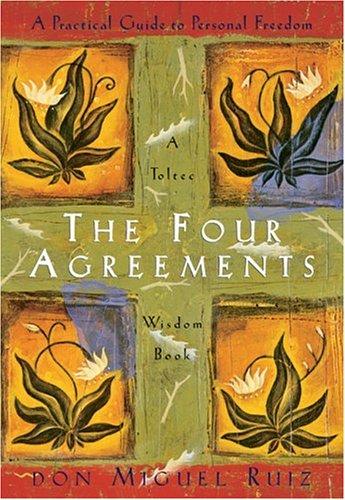
5. The Four Agreements by Don Miguel Ruiz
Rating: ⭐⭐⭐⭐⭐ (5/5)
Who this is for: The person who takes everything personally. If criticism feels like a personal attack, this book teaches you to separate feedback from identity.
“Ruiz’s second agreement—’Don’t take anything personally’—changed my life. I realized that other people’s opinions are about them, not me. This simple insight freed me from decades of people-pleasing.” — Jennifer B.
My take: This book provides four agreements for living a happy life, and the second one—”Don’t take anything personally”—is the most powerful tool for handling criticism. Ruiz argues that other people’s opinions are projections of their own reality, not objective truth about you. When someone criticizes your work, they’re revealing something about themselves, not about you. This simple reframe has dramatically reduced my criticism sensitivity.

6. Rejection Proof by Jia Jiang
Rating: ⭐⭐⭐⭐⭐ (5/5)
Who this is for: The person who’s terrified of rejection and criticism. If you avoid putting yourself out there because you’re afraid of negative feedback, this book builds your tolerance.
“Jiang’s 100 days of rejection therapy desensitized me to criticism. After deliberately seeking rejection for 100 days, normal criticism became easy by comparison.” — Robert M.
My take: This unconventional book is about deliberately seeking rejection to build resilience. Jiang’s “rejection therapy” (asking for things you expect to be told no to) is terrifying but transformative. I started small—asking for discounts, requesting better seats—and gradually worked up to bigger asks. The result: criticism no longer triggers my fight-or-flight response. I can now handle “no” without spiraling.

7. Mindset by Carol Dweck
Rating: ⭐⭐⭐⭐⭐ (5/5)
Who this is for: The person who sees criticism as evidence of inadequacy. If you believe your abilities are fixed, criticism feels like a verdict. This book shows you a different perspective.
“Dweck’s growth mindset research changed my relationship with criticism. I stopped seeing it as evidence of failure and started seeing it as information for growth.” — Lisa P.
My take: This book is about the power of mindset. Dweck shows that people with a “fixed mindset” (believing abilities are innate) are devastated by criticism because it feels like a judgment of their inherent worth. People with a “growth mindset” (believing abilities can be developed) see criticism as valuable feedback. Her research on “yet” (I don’t know this YET) versus “I can’t” transformed how I approach my abilities. I now see every criticism as an opportunity to learn, not a verdict on my worth.
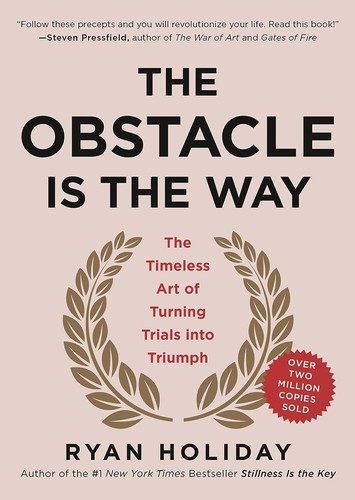
8. The Obstacle Is the Way by Ryan Holiday
Rating: ⭐⭐⭐⭐ (4/5)
Who this is for: The person who wants to turn criticism into fuel. If you need to reframe negative feedback as an opportunity, this book provides the framework.
“Holiday’s stoic philosophy helped me see criticism as an obstacle to be transformed, not a wall to be avoided. Every piece of feedback is an opportunity to improve.” — David H.
My take: This book applies stoic philosophy to modern challenges, including criticism. Holiday shows that obstacles (including criticism) aren’t problems to be avoided—they’re opportunities to be leveraged. His three-step framework—perception (see clearly), action (respond effectively), will (persist with purpose)—has transformed how I handle negative feedback. I now ask: “How can I use this criticism to improve?” instead of “Why is this happening to me?”

9. Emotional Agility by Susan David
Rating: ⭐⭐⭐⭐⭐ (5/5)
Who this is for: The person who needs to manage their emotional reactions to criticism. If you’re reactive, defensive, or emotionally overwhelmed by feedback, this book teaches you emotional flexibility.
“David’s concept of ’emotional agility’ (being flexible with your emotions rather than rigid) helped me stop being controlled by my defensiveness. I now observe my reactions without being consumed by them.” — Sarah M.
My take: This book addresses the leader’s internal emotional landscape. David shows that emotional health isn’t about being positive all the time—it’s about being flexible with your emotions. Her four-step process (showing up, stepping out, walking your why, moving on) helped me manage the emotional demands of receiving criticism. I no longer let defensiveness, shame, or anger control my responses. I observe these emotions, learn from them, and choose my response.

10. The Courage to Be Disliked by Ichiro Kishimi & Fumitake Koga
Rating: ⭐⭐⭐⭐⭐ (5/5)
Who this is for: The person who needs to stop seeking approval. If your sensitivity to criticism comes from a need for external validation, this book sets you free.
“Kishimi and Koga’s Adlerian philosophy taught me that I don’t need other people’s approval to be worthy. When I stopped seeking validation, criticism lost its power over me.” — Thomas B.
My take: This book presents Adlerian psychology in dialogue form, and its core message is revolutionary: you don’t need other people’s approval to live a meaningful life. The concept of “separation of tasks” (distinguishing between your responsibilities and others’) helped me understand that other people’s opinions of me are their business, not mine. This single insight has reduced my criticism sensitivity more than any other strategy.
Frequently Asked Questions (Handling Criticism Edition)
Q: How do I stop taking criticism personally? A: Practice Ruiz’s second agreement: “Don’t take anything personally.” Recognize that criticism reflects the critic’s perspective, not objective truth about you. Also, use Stone and Heen’s trigger framework to identify why certain feedback hits harder than others.
Q: How do I extract value from unfair criticism? A: Even unfair criticism contains information. Ask: “What can I learn from this, even if it’s delivered poorly?” Sometimes the delivery is terrible but the underlying point is valid. Sometimes the criticism is entirely about the critic’s issues. Learn to distinguish between the two.
Q: How do I handle criticism from someone I respect? A: This is the hardest kind. Use “Thanks for the Feedback” framework: separate the relationship from the feedback. Even people you respect can give bad feedback. Evaluate the feedback on its merits, not on who gave it.
Q: How do I build thicker skin? A: Gradually expose yourself to criticism. Start with low-stakes feedback (ask a friend to critique your cooking). Gradually increase the stakes. Use “Rejection Proof” techniques to desensitize yourself. And remember: thicker skin doesn’t mean not caring—it means caring about the right things.
Q: How do I handle criticism at work without getting defensive? A: Pause before responding. Take a breath. Ask clarifying questions. Thank the person for the feedback. Then evaluate it later, when emotions have cooled. “Thanks for the Feedback” provides specific scripts for receiving feedback professionally.
Q: What if criticism triggers my anxiety or depression? A: Seek professional help. If criticism consistently triggers mental health crises, you may need therapy to address underlying issues (trauma, shame, perfectionism). The books I recommend are supplements, not replacements, for professional support.
Q: How do I give criticism without being hurtful? A: Focus on behavior, not character. Be specific, not general. Offer suggestions for improvement, not just complaints. And deliver feedback privately, not publicly. “Thanks for the Feedback” also covers giving feedback effectively.
Q: Can criticism actually be good for me? A: Yes—if it’s delivered constructively and received with a growth mindset. Research shows that people who seek and use feedback improve faster than those who avoid it. The goal isn’t to eliminate criticism—it’s to use it wisely.
Your Next Move
Developing a thicker skin doesn’t mean becoming numb to criticism. It means learning to receive feedback without crumbling, extract value from it without internalizing it as identity, and keep moving forward even when people are throwing tomatoes.
These ten books taught me how to do exactly that. They taught me that criticism is information, not judgment. That my worth isn’t determined by other people’s opinions. And that the best response to criticism isn’t defensiveness—it’s curiosity.
So start with one book. Maybe Thanks for the Feedback if you need practical techniques, or The Subtle Art of Not Giving a F*ck if you need a mindset shift. Read it, implement one strategy, and see what happens.
Because the world needs what you have to offer. Don’t let criticism silence you.
Which book are you grabbing first?
Disclosure: This post contains Amazon affiliate links. If you purchase through these links, I may earn a small commission at no extra cost to you. This helps support the blog and allows me to continue bringing you honest book recommendations. Thank you!