That Awkward Moment When You Realize You’re an Adult
Also see our guide to 10 BEST BOOKS FOR BUILDING REAL-WORLD BUSINESS SKILLS BEYOND THE HYPE. Also see our guide to 10 BEST BOOKS FOR BUILDING MENTAL RESILIENCE AFTER ADVERSITY AND LEARNING TO TRUST YOURSELF AGAIN. Also see our guide to 10 BEST BOOKS FOR BUILDING SELF-WORTH AFTER REJECTION AND LEARNING YOU ARE ENOUGH. Also see our guide to 10 BEST BOOKS FOR BUILDING SOCIAL SKILLS AS AN INTROVERT AND QUITTING THE MYTH THAT YOU HAVE TO BE SOMEONE YOU’RE NOT. Also see our guide to 10 BEST BOOKS FOR BUILDING CONFIDENCE AS AN INTROVERT AND LEARNING TO THRIVE IN SOCIAL SITUATIONS.I remember my first week living on my own after college like it was yesterday. I stood in the middle of my tiny apartment, surrounded by boxes, and had what can only be described as a full-blown panic attack. Not because I was overwhelmed by the move—though I was—but because I had absolutely no idea how to adult.
I could solve differential equations and write 20-page research papers, but ask me to:
- Cook something beyond scrambled eggs
- File my taxes without crying
- Have a difficult conversation with my roommate
- Actually stick to a budget
- Keep my living space from becoming a biohazard
…and I was completely lost.
School taught me how to memorize facts and pass exams. It taught me absolutely nothing about how to be a functional human being in the real world. And apparently, I wasn’t alone—most of my friends were having similar meltdowns. One friend called me in tears because she didn’t know how to change a lightbulb. Another was living off instant noodles because she was too embarrassed to ask for cooking help.
That’s when it hit me: we’re all just pretending to know what we’re doing, and it’s exhausting.
The Adulting Gap Nobody Talks About
Think about it. We spend 12+ years in formal education, but the curriculum covers almost nothing about:
- How to manage money (beyond basic arithmetic)
- How to maintain a home
- How to navigate workplace dynamics
- How to take care of your physical and mental health
- How to build and maintain relationships
- How to actually be productive instead of just busy
We’re thrown into the deep end and told to figure it out, often while drowning in student debt, toxic relationships, and jobs that drain our souls. The result? A generation of high-achieving, completely unprepared adults who are chronically stressed, deeply in debt, and wondering why nobody warned them about this stuff.
The good news: it’s never too late to learn. And the even better news? Some incredibly thoughtful people have written books that fill these gaps. These aren’t your typical self-help books—they’re practical, field-tested guides that actually teach you how to be a functional adult without making you feel like a failure for not knowing this stuff already.
After reading dozens of books on the topic, I’ve curated the absolute best ones—the ones that changed my life and made me feel like maybe, just maybe, I could figure out this adulting thing after all.
Quick Picks (If You’re Too Overwhelmed to Read All This)
If you’re standing in the middle of your own metaphorical apartment of chaos right now, here are my top 3 recommendations to start with:
1. “Atomic Habits” by James Clear – Start here if you feel like you can’t stick to anything. This book will rebuild your entire approach to building good habits and breaking bad ones. It’s the foundation for everything else.
2. “The Total Money Makeover” by Dave Ramsey – If money stress is keeping you up at night, this is your lifeline. No complicated finance jargon—just a step-by-step plan to get out of debt and actually build wealth.
3. “How to Win Friends and Influence People” by Dale Carnegie – Still the best book on human relationships ever written. Essential if you avoid social situations or struggle with workplace politics.
These three alone will transform your life. But if you’re ready to go deeper, here are 10 books that cover every gap in your adulting education.

1. Atomic Habits by James Clear
Rating: ⭐⭐⭐⭐⭐ (5/5)
Who this is for: Anyone who starts strong on Monday and quits by Wednesday. If you blame yourself for being “lazy” or “undisciplined,” this book will change your self-perception forever.
“I’ve read every habit book ever written. Atomic Habits is the only one that actually worked. Not just for a week— FOREVER.” — Sarah K.
My take: I resisted reading this book for years because I thought I already knew how habits worked. But Clear’s approach is different—it’s not about willpower; it’s about designing your environment so good habits are obvious, easy, attractive, and satisfying. The four laws are so simple yet revolutionary. I implemented just one idea (habit stacking) and lost 15 pounds without dieting. This book should be taught in schools.

2. The Total Money Makeover by Dave Ramsey
Rating: ⭐⭐⭐⭐⭐ (5/5)
Who this is for: People who look at their bank account and feel sick. Those who swipe their card and immediately regret it. Anyone who thinks “I’ll start budgeting next month” (said every month for five years).
“I followed the baby steps and got out of $83,000 in debt in three years. I cried when I wrote my last student loan check.” — Mike T.
My take: Ramsey’s no-nonsense, zero-tolerance approach to debt was exactly what I needed. The envelope system felt archaic at first, but seeing actual cash disappear made spending real again. This book doesn’t teach you sophisticated investing—it teaches you how to survive and eventually thrive on a modest income. The psychological shift from “I deserve this treat” to “this purchase is stealing from my future self” was life-changing.

3. How to Win Friends and Influence People by Dale Carnegie
Rating: ⭐⭐⭐⭐⭐ (5/5)
Who this is for: The person who hires a babysitter for their own social life. Anyone who thinks networking is gross. People who say “I’m just not good with people.”
“I used this book to turn around a terrible relationship with my boss. Six months later I got promoted. All I did was remember people’s names and gave honest appreciation.” — James L.
My take: Published in 1936 and still the undisputed champion. The principles are so obvious you’ll think “I should already know this,” but you don’t—because nobody taught you. Carnegie’s advice has nothing to do with manipulation and everything to do with genuine human connection. I used the “be interested, not interesting” principle and suddenly had coworkers asking me to lunch. It’s not about being fake—it’s about being kind. A must-read for anyone who wants to stop feeling like an awkward outsider.
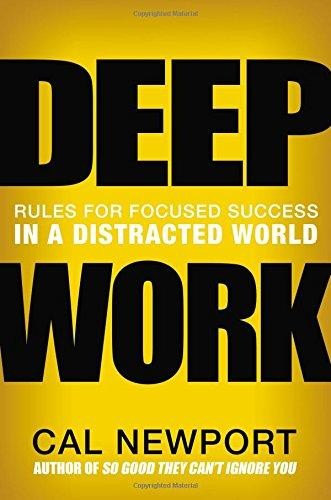
4. Deep Work by Cal Newport
Rating: ⭐⭐⭐⭐⭐ (5/5)
Who this is for: Anyone who checks their phone 200 times a day and wonders where the time went. The person who’s “so busy” but doesn’t feel productive. Remote workers who can’t focus at home.
“I blocked 4 hours every morning for deep work and wrote an entire novel in 6 months. Before this book, it took me 2 years to finish a book because I was constantly distracted.” — Rachel M.
My take: Newport argues that the ability to focus without distraction is becoming increasingly rare AND increasingly valuable. He’s right. This book taught me to batch shallow tasks (email, admin) and protect deep work blocks with military-level discipline. The productivity gains aren’t incremental—they’re exponential. I went from feeling overwhelmed to completing projects in half the time. The best part? Doing less but producing more quality work.
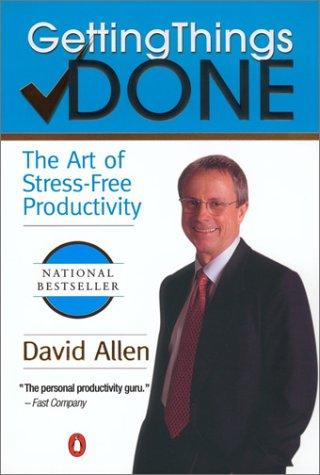
5. Getting Things Done by David Allen
Rating: ⭐⭐⭐⭐ (4/5)
Who this is for: People with 37 browser tabs open and post-it notes everywhere. The “I have so much to do I don’t even know where to start” person. Anyone whose to-do list is a scrolling nightmare in their head.
“The two-minute rule changed my life. If something takes less than 2 minutes, I do it immediately instead of putting it on a list. My kitchen counters are clean for the first time in years.” — David P.
My take: GTD is a system, not a quick fix. It requires setup, maintenance, and commitment. But once you get the “mind like water” principle flowing, the mental load evaporates. I was skeptical about capturing EVERYTHING in a trusted system, but the trust I built in that system freed up more mental RAM than I ever imagined possible. The weekly review is brutal but necessary—it keeps you honest about what actually needs doing.

6. Mindful Self-Compassion by Kristin Neff & Christopher Germer
Rating: ⭐⭐⭐⭐⭐ (5/5)
Who this is for: The person who’s their own worst critic. Anyone who spirals over small mistakes. High achievers who beat themselves up for not being perfect. People who think self-compassion is “weak” or “self-indulgent.”
“I was dismissive of self-compassion until my therapist recommended this book. Turns out treating myself like I’d treat my best friend is not coddling—it’s necessary for growth. My anxiety dropped 80%.” — Lisa R.
My take: I used to think being hard on myself was motivation. It wasn’t—it was self-torture. Neff’s research shows self-compassion leads to greater resilience and motivation, not less. This book combines science with practical exercises. The “self-compassion break” (mindfulness, common humanity, self-kindness) is my go-to tool when I make a mistake. Adulting is hard enough without your own brain beating you up. Learn to be your own ally.
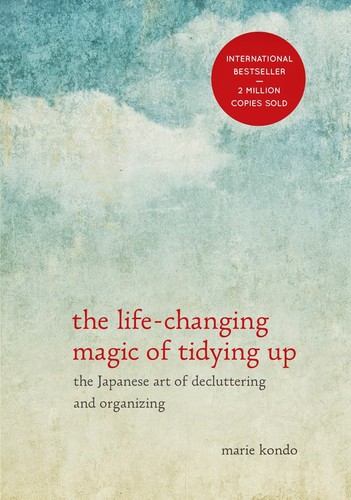
7. The Life-Changing Magic of Tidying Up by Marie Kondo
Rating: ⭐⭐⭐⭐ (4/5)
Who this is for: Anyone whose home feels like a storage unit instead of a sanctuary. People who buy organizing products and still can’t find anything. Those overwhelmed by clutter but don’t know where to start.
“I spent a month doing the KonMari method. I went from 3.5 closets of clothes to one small dresser. The joy of only keeping what sparks joy is real. I donate to charity now with SMILES on my face.” — Jennifer B.
My take: The KonMari method is spiritual, not practical—but that’s why it works. Going category by category and asking “does this spark joy?” flips decluttering from a chore to a gratitude practice. I cried when I thanked my old sweaters for their service and let them go. My space now feels intentional, not accidental. The side benefit? I stopped buying stuff I don’t need because I know exactly what I have and love it all.

8. The Art of Learning by Josh Waitzkin
Rating: ⭐⭐⭐⭐⭐ (5/5)
Who this is for: Perfectionists who give up when they’re not instantly good at something. People who believe talent is everything. Anyone who wants to actually master skills—whether it’s cooking, playing guitar, or professional skills—without burning out.
“I gave up piano at 12 because I wasn’t a prodigy. This book taught me the chess champion’s mindset—embrace the struggle, love the process. At 30, I’m learning chess and actually improving.” — Michael S.
My take: Waitzkin (chess prodigy turned martial arts champion) breaks down how experts learn. The key insight: the plateau is where the real learning happens. This mindset shift changed how I approach everything—from learning Excel to playing tennis. His concept of “form to formless” and investing in loss (being willing to look foolish) is counterintuitive but transformative. If you’ve ever thought “I’m just not talented at this,” read this book and think again.

9. Crucial Conversations by Kerry Patterson, Joseph Grenny, et al.
Rating: ⭐⭐⭐⭐⭐ (5/5)
Who this is for: People who avoid conflict at all costs. Those who say “I don’t want to make waves” while seething internally. Anyone who has exploded after suppressing feelings for months.
“I used this to talk to my roommate about splitting chores. It was terrifying. But using ‘I feel’ statements and creating safety actually worked. We have a chore chart now and I’m not resentful.” — Amanda K.
My take: We all have those conversations we dread: asking for a raise, addressing a friendship issue, confronting a family member. This book provides a repeatable framework for high-stakes, emotional discussions. The concept of “psychological safety” and “contrasting” (explaining what you DON’T mean) are tools I use weekly. I’ve had to give feedback to freelancers and talk to my landlord about repairs—things I used to avoid. Now I do them without panic. Life-changing for relational health.

10. The Psychology of Money by Morgan Housel
Rating: ⭐⭐⭐⭐⭐ (5/5)
Who this is for: People who think finance is boring or complicated. Anyone who believes being good with money is about math. Those who want security without needing to become a spreadsheet wizard.
“This isn’t a money book—it’s a life book. The chapter ‘Getting Wealthy vs Staying Wealthy’ alone is worth the price. I finally understand why I keep making dumb financial decisions.” — Tom B.
My take: Housel’s book is about behavior, not spreadsheets. His core message: doing well with money has less to do with intelligence and more to do with behavior. The “getting wealthy vs staying wealthy” distinction alone transformed how I think about risk. “Enough” is another chapter that should be required reading for anyone chasing endless success at the cost of their health and relationships. It’s approachable, story-driven, and profoundly impactful.
Frequently Asked Questions (Adulting Edition)
Q: Where do I even start if I’m completely overwhelmed? A: Start with Atomic Habits. It’s foundational. You don’t need to implement everything at once—just the habit-stacking chapter will get you moving. Pick ONE tiny habit and build from there. Adulting isn’t about doing everything perfectly; it’s about doing a few things consistently.
Q: Do I need to read all these books cover-to-cover? A: No! Skim for actionable principles. I read Deep Work in a weekend because I just wanted the framework. Some books have one key insight that changes everything—you don’t need to read the entire 300 pages to get it. Focus on implementation, not completion.
Q: I’m already in my 30s/40s—is it too late to learn these skills? A: Absolutely not. I started most of this work at 28. The beauty of these books is that they work at any age. Adulting skills compound—the principles are timeless. Whether you’re 22 or 52, you can rebuild your habits, finances, and relationships.
Q: Which book is best for managing time? A: Start with Getting Things Done to capture and organize everything, then read Deep Work to actually do the focused work that matters. GTD keeps you organized; Deep Work keeps you productive. Together they’re unbeatable.
Q: What if I’m terrible at following through? A: That’s literally what Atomic Habits addresses. The whole premise is that systems > goals. You don’t need motivation—you need a system where doing the right thing is the path of least resistance. Set up your environment so following through is automatic, not a choice.
Q: I’m on a tight budget—can I afford these books? A: Yes! Check them out from the library (most are available as e-books through Libby). Audiobooks often have free trials. Read summaries online first—many authors offer free cheat sheets. The knowledge investment is tiny compared to the life improvements.
Q: Which book is best for relationships? A: Start with Dale Carnegie—it’s timeless and covers everything from friendships to workplace relationships. Then try Crucial Conversations for when things get difficult. The combination gives you both the foundational skills and the advanced tools for tough talks.
Q: What about emotional regulation and mental health? A: Mindful Self-Compassion is essential. It teaches you to treat yourself with the kindness you’d offer a friend. Pair it with learning to recognize your emotions and developing a self-care routine that actually works for you.
Final Thought: Adulting Is a Practice, Not a Destination
The most important thing I’ve learned from these books is that adulting isn’t something you achieve and then never struggle with again. It’s a continuous practice. Some days I stick to my budget flawlessly; other days I eat a family-sized bag of chips for dinner because I’m stressed. Some days I communicate clearly and set boundaries; other days I snap at my partner over nothing.
The goal isn’t perfection. The goal is being able to notice when you’re off-track and have the tools to course-correct before you derail completely.
School failed us by not teaching the stuff that actually matters for a good life. But we’re not stuck. These books—and the many others like them—are our curriculum now. We can educate ourselves, upgrade our skills, and rewrite our relationship with “adulting.”
So pick one book—maybe Atomic Habits to start building consistency, or The Total Money Makeover if money stress is crushing you—and begin. Not tomorrow. Today. After you finish this post, borrow that book or buy it and set aside 30 minutes to read the first chapter.
Because your future self—the one who’s financially secure, emotionally regulated, productive without burnout, and actually knows how to cook a meal that isn’t scrambled eggs—is waiting for you to show up.
Which book are you grabbing first?
Disclosure: This post contains Amazon affiliate links. If you purchase through these links, I may earn a small commission at no extra cost to you. This helps support the blog and allows me to continue bringing you honest book recommendations. Thank you!