My best friend told my secret to six people at a dinner party. Not a big secret, exactly. But it was mine. Something I’d shared with her during a 2 a.m. phone call when I was scared and needed someone to hold the weight with me. She held it for exactly 72 hours before turning it into a party anecdote.
I found out because one of those six people mentioned it to me casually, like it was common knowledge. “Oh yeah, Sarah told us about that. How are you doing?” I smiled. Said I was fine. Drove home in silence. And then I sat on my couch for two hours trying to figure out what hurt more — the betrayal itself or the fact that I couldn’t even be angry without feeling like I was overreacting.
People told me it wasn’t a big deal. “It’s not like she stole your husband.” “She probably didn’t mean anything by it.” “You’re being too sensitive.” And maybe all of that was true. But the truth is, trust doesn’t break in dramatic, movie-worthy ways. It breaks in small, casual, careless moments. And once it’s cracked, everything feels different. Every text becomes a question. Every silence becomes a suspicion. Every “I’m here for you” gets filtered through the lens of “but will you keep it to yourself this time?”
If someone you trusted has let you down, and you’re trying to figure out whether to let them back in, these ten books will help you make that decision with your eyes open.
Quick Pick: The Book I Recommend First
Also see our guide to 10 Best Books for Building Confidence and Friendship in Tween Girls. Also see our guide to 10 BEST BOOKS FOR BUILDING MENTAL RESILIENCE AFTER ADVERSITY AND LEARNING TO TRUST YOURSELF AGAIN. Also see our guide to 10 BEST BOOKS FOR BUILDING MENTAL RESILIENCE AFTER ADVERSITY AND LEARNING TO TRUST YOURSELF AGAIN. Also see our guide to 10 BEST BOOKS FOR BUILDING UNSHAKEABLE CONFIDENCE AFTER BETRAYAL AND RECLAIMING YOUR SENSE OF SELF. Also see our guide to 10 Best Books for Building Confidence and Friendship in Tween Girls.Daring Greatly by Brené Brown. This book doesn’t teach you how to trust others. It teaches you how to be vulnerable again — which is the real work after betrayal. You can’t build trust from behind a wall. Brown shows you how to lower the drawbridge without being naive about what might walk through.
10 Best Books for Building Trust After Betrayal in Friendship
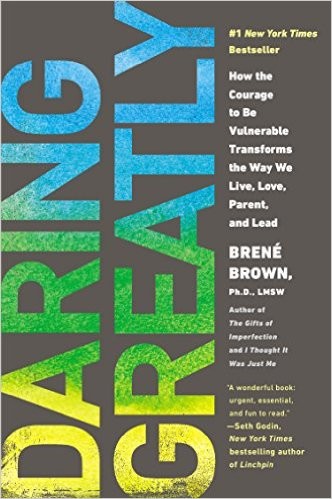
1. Daring Greatly: How the Courage to Be Vulnerable Transforms the Way We Live, Love, Parent, and Lead
Author: Brené Brown Rating: ⭐⭐⭐⭐⭐ (4.6/5) Who it’s for: Anyone who’s been hurt and is afraid to open up again
“Brené Brown taught me that vulnerability isn’t weakness. It’s the birthplace of connection. Even after betrayal.” — Goodreads reviewer
My take: Brown spent years studying vulnerability, shame, and courage. Her central finding is counterintuitive: the people who live the most wholehearted lives aren’t the ones who protect themselves from being hurt. They’re the ones who are willing to be vulnerable despite the risk.
After betrayal, the temptation is to armor up — to never share, never trust, never let anyone close enough to hurt you again. Brown shows why this approach ultimately causes more pain than the original betrayal. The armor doesn’t just keep out the people who hurt you. It keeps out everyone.
This book helped me understand that my friend’s betrayal didn’t just damage our relationship. It damaged my willingness to be vulnerable with anyone. Brown’s framework gave me a way to separate the two — to protect myself without closing myself off entirely.

2. Not “Just Friends”: Rebuilding Trust and Recovering Your Sanity After Infidelity
Author: Shirley Glass Rating: ⭐⭐⭐⭐⭐ (4.5/5) Who it’s for: Anyone dealing with betrayal in any close relationship, not just romantic ones
“This book is about infidelity, but the trust-building framework applies to every broken relationship.” — Amazon reviewer
My take: Shirley Glass was a psychologist who specialized in betrayal recovery, and while this book focuses on romantic infidelity, its trust-building framework applies to any relationship where trust has been broken. Glass identifies the three stages of betrayal recovery: the crisis stage (discovery and shock), the understanding stage (figuring out what happened and why), and the rebuilding stage (deciding whether and how to move forward).
The book’s most valuable contribution is its framework for rebuilding trust — a gradual, structured process that requires both parties to be committed. Glass shows that trust doesn’t return all at once. It’s rebuilt through consistent, small actions over time. And the betrayed person has every right to set the pace.

3. After the Affair: Healing the Pain and Rebuilding Trust When a Partner Has Been Unfaithful
Author: Janis Abrahms Spring Rating: ⭐⭐⭐⭐⭐ (4.5/5) Who it’s for: Anyone processing deep betrayal and looking for a structured path forward
“Spring showed me that healing isn’t about forgetting. It’s about deciding what the betrayal means for my future.” — Goodreads reviewer
My take: Another book originally about romantic betrayal, but its insights apply to friendships as well. Spring identifies three stages of healing: normalizing your feelings (you’re not crazy for feeling what you feel), deciding whether to stay or go, and if you stay, rebuilding from the ground up.
The book’s most powerful concept is “the cost of forgiveness.” Spring argues that we often pressure betrayed people to forgive too quickly, which actually prevents genuine healing. True forgiveness is a process, not a decision. And it can only happen after the betrayed person has fully acknowledged the extent of the damage.

4. The Gift of Fear
Author: Gavin de Becker Rating: ⭐⭐⭐⭐⭐ (4.7/5) Who it’s for: Anyone who needs to learn to trust their instincts after being betrayed
“De Becker taught me that my gut was right all along. I just wasn’t listening.” — Amazon reviewer
My take: Gavin de Becker is a security expert, and this book is about learning to trust your intuition. After betrayal, many people lose faith in their own judgment. “How did I not see this coming?” “Why did I trust them?” De Becker shows that your instincts were probably screaming — you just learned to override them.
This book is essential reading after betrayal because it helps you rebuild trust in yourself before you try to rebuild trust in others. If you can’t trust your own perceptions, you’ll never be able to trust anyone else’s promises.

5. Wherever You Go, There You Are
Author: Jon Kabat-Zinn Rating: ⭐⭐⭐⭐⭐ (4.5/5) Who it’s for: Anyone who needs to calm their mind before they can make clear decisions about trust
“After my friend betrayed me, I couldn’t stop replaying it. Kabat-Zinn taught me how to be present instead.” — Goodreads reviewer
My take: Kabat-Zinn is the founder of mindfulness-based stress reduction, and this book is a gentle, practical introduction to mindfulness meditation. It’s not about trust or betrayal directly. But after betrayal, the mind becomes a hamster wheel — replaying conversations, imagining confrontations, analyzing every detail. Kabat-Zinn’s practices help you step off that wheel.
I started meditating the week after the dinner party incident. Not because I wanted to be enlightened. Because I couldn’t sleep. The thoughts wouldn’t stop. Kabat-Zinn’s simple breathing exercises gave me the first moments of peace I’d had in days. And from that calm, I could start making actual decisions about my friendship instead of just reacting.

6. Set Boundaries, Find Peace
Author: Nedra Glennon Tawwab Rating: ⭐⭐⭐⭐⭐ (4.6/5) Who it’s for: Anyone who needs to rebuild trust by first establishing clear boundaries
“I always thought boundaries were about pushing people away. Tawwab taught me they’re about keeping myself safe while keeping the door open.” — Amazon reviewer
My take: After betrayal, you need boundaries before you need trust. Tawwab’s framework distinguishes between rigid, porous, and healthy boundaries. Most betrayed people swing to rigid — total walls, no vulnerability. Tawwab helps you find the middle ground: clear, consistent limits that protect you while still allowing connection.
Her scripts for difficult conversations are particularly useful. I used one of her frameworks to tell my friend exactly what I needed: acknowledgment, an apology, and a commitment to change. The conversation was hard. But it was also the first step toward rebuilding something real.

7. The Apology
Author: Eve Ensler Rating: ⭐⭐⭐⭐⭐ (4.5/5) Who it’s for: Anyone waiting for an apology they may never receive
“Eve Ensler wrote the apology her father never gave her. It freed her anyway.” — Goodreads reviewer
My take: Ensler wrote this book as an imagined apology from her abusive father — the apology he never gave before he died. It’s a radical act of self-healing: writing the words you need to hear from the person who hurt you, and then giving them to yourself.
After my friend betrayed me, she never fully apologized. She said “I’m sorry you feel that way” — which isn’t an apology, it’s a deflection. Ensler’s book showed me that I didn’t have to wait for her apology to start healing. I could write my own version. I could acknowledge my own pain. I could give myself the closure she wouldn’t provide.
8. Why Won’t You Apologize?: Healing Big Betrayals and Everyday Hurts
Author: Harriet Lerner Rating: ⭐⭐⭐⭐⭐ (4.5/5) Who it’s for: Anyone trying to understand why some people can’t apologize
“This book explained my friend’s terrible apology better than she ever could.” — Amazon reviewer
My take: Harriet Lerner is a psychologist who specializes in the dynamics of apology and forgiveness. Her book identifies why some apologies heal and others make things worse. She distinguishes between genuine apologies (which acknowledge the specific harm done) and non-apologies (which center the apologizer’s feelings: “I’m sorry you’re upset”).
For anyone navigating a friendship after betrayal, this book is essential. It gives you the language to evaluate whether an apology is real, and the tools to communicate what you actually need to hear. It also addresses the other side — why some people are constitutionally incapable of apologizing, and what that means for the relationship.

9. Adult Children of Emotionally Immature Parents
Author: Lindsay C. Gibson Rating: ⭐⭐⭐⭐⭐ (4.7/5) Who it’s for: Anyone whose trust issues go deeper than a single betrayal
“I realized my trust issues didn’t start with my friend. They started with my parents. This book showed me the pattern.” — Goodreads reviewer
My take: If betrayal in friendship keeps happening to you — if you seem to attract people who break your trust — this book might explain why. Gibson describes how growing up with emotionally immature parents creates patterns that follow you into adulthood: difficulty trusting, people-pleasing, over-giving, and choosing friends who can’t meet your emotional needs.
This book helped me understand that my reaction to Sarah’s betrayal wasn’t just about Sarah. It was about every time I’d shared something vulnerable and been dismissed. My pain was real, but its roots went deeper than one dinner party.
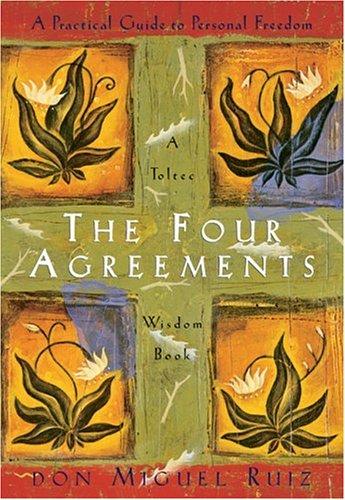
10. The Four Agreements
Author: Don Miguel Ruiz Rating: ⭐⭐⭐⭐⭐ (4.7/5) Who it’s for: Anyone looking for a simple, powerful framework for navigating human relationships
“The agreement ‘Don’t take anything personally’ didn’t make my friend’s betrayal hurt less. But it helped me stop making it about my worth.” — Amazon reviewer
My take: Ruiz’s four agreements are: be impeccable with your word, don’t take anything personally, don’t make assumptions, and always do your best. For someone recovering from betrayal, the second agreement is the hardest and most transformative. Other people’s actions are about them, not about you. Your friend’s betrayal was about her character, not your worth.
This doesn’t mean you accept bad behavior. It means you stop internalizing it. Ruiz’s framework helped me separate “my friend betrayed my trust” from “I am untrustworthy” — a distinction that sounds obvious but that most betrayed people struggle to make.
Frequently Asked Questions
Should I forgive a friend who betrayed me?
Forgiveness is a personal choice, not an obligation. Harriet Lerner’s Why Won’t You Apologize? shows that forgiveness should only come after genuine accountability from the other person. Forcing yourself to forgive before you’re ready — or before they’ve truly acknowledged the harm — can actually prevent healing.
How do I know if I should let this friend back in?
Shirley Glass’s Not “Just Friends” provides a structured framework for this decision. The key question isn’t “Do I still love them?” It’s “Are they willing to do the work to rebuild trust?” Trust is rebuilt through consistent actions over time, not through apologies alone.
What if the betrayal was small but I can’t get over it?
Brené Brown’s Daring Greatly addresses this directly. Small betrayals can feel disproportionately painful because they trigger deeper fears — of being unseen, unvalued, or unworthy. The size of the betrayal isn’t what matters. What matters is what it activated inside you.
Can a friendship ever be the same after betrayal?
Janis Abrahms Spring’s After the Affair argues that the friendship can’t be the same — but it can become something different and potentially deeper. The betrayal forces both people to confront things they’d been avoiding. If they do the work, the rebuilt relationship can be more honest than the original.
How do I stop being suspicious of everyone after one person betrayed me?
Gavin de Becker’s The Gift of Fear helps you distinguish between healthy caution and generalized suspicion. The goal isn’t to trust everyone. It’s to trust yourself — your instincts, your perceptions, your ability to recognize red flags. When you trust yourself, you don’t need to be suspicious of everyone. You just need to pay attention.
What if my friend won’t acknowledge they did anything wrong?
Harriet Lerner’s Why Won’t You Apologize? addresses people who can’t or won’t apologize. Some people lack the emotional maturity to take responsibility. In that case, you have three options: accept the relationship as it is (with lower expectations), set new boundaries, or walk away. All three are valid.
Final Thoughts
Sarah and I are friends again. Not the way we were — I don’t call her at 2 a.m. anymore, and I don’t share the things that matter most to me. Our friendship is smaller now, but it’s real. She apologized eventually, not perfectly but genuinely, and I decided that the 12 years of good between us outweighed the one night of careless betrayal.
That decision isn’t right for everyone. Some betrayals should end friendships. Some friendships shouldn’t survive. But for me, the healing came not from deciding whether Sarah deserved another chance, but from deciding that I deserved to stop carrying the weight of what she did.
Trust after betrayal isn’t about being naive. It’s about being brave enough to let the right people in, even after the wrong ones hurt you.
Which book are you grabbing first? I genuinely believe that whoever you are and whatever your betrayal story is, there’s something in this list that will meet you where you are. You don’t have to read them all. You just have to read the one that speaks to your specific wound.
And if you’re not ready to trust anyone new yet? That’s okay too. Trust takes time. The fact that you’re here, reading this, thinking about healing instead of shutting down — that’s the first step. Be proud of yourself for being here.
Disclosure: This article contains Amazon affiliate links. If you purchase through these links, we may earn a small commission at no extra cost to you. We only recommend books we’ve genuinely read and believe in.