The Bathroom Floor
Also see our guide to 10 Best Books for Navigating Estrangement From a Family Member. Also see our guide to 10 Best Books for Navigating Menopause and Women’s Health in Midlife. Also see our guide to 10 Best Books for Navigating Religious Deconstruction. Also see our guide to 10 Best Books for Navigating Tricky Conversations at Work. Also see our guide to 10 Best Books for Navigating Friendship Breakups.I was sitting on the bathroom floor at 3 AM, staring at a pregnancy test that showed one line instead of two. Again.
This was our ninth cycle trying. Nine months of tracking ovulation, timing intercourse, eating pineapple core (because some forum said it helps), and peeing on sticks. Nine months of hope followed by nine months of disappointment.
My husband found me there when he woke up to use the bathroom. He didn’t say anything. He just sat down next to me on the cold tile and held my hand. We stayed there for an hour, not speaking, not crying anymore. Just sitting in the quiet devastation of another failed cycle.
Nobody prepares you for this. Nobody tells you that getting pregnant might not happen when you want it to. Nobody mentions the friends who announce their pregnancies while you’re still waiting. Nobody warns you about the shame, the guilt, the feeling that your body is failing at the one thing it’s supposed to do.
And if you do get pregnant and lose it? The grief is a different beast entirely. A loss that most people don’t see, don’t understand, and don’t know how to talk about.
The Loneliness Nobody Talks About
Here’s what I wish someone had told me: fertility struggles and pregnancy loss are among the loneliest experiences a person can have. Not because people don’t care—but because they don’t know what to say. So they say things like:
- “Just relax and it’ll happen.”
- “At least you know you can get pregnant.”
- “It wasn’t meant to be.”
- “Have you tried [insert unsolicited advice here]?”
Each comment, well-meaning as it is, lands like a knife. Because what you’re hearing is: “Your grief isn’t valid. Your struggle isn’t real. Just get over it.”
The books I’m about to share are the antidote to that loneliness. They validate your pain, honor your grief, and provide strategies for surviving the most difficult journey of your life.
Quick Picks (For When You’re in the Thick of It)
If you’re struggling right now, here are my top 3 recommendations:
1. “Not Broken” by Dr. Lora Shahine – Start here. This book provides evidence-based information about fertility struggles without the toxic positivity. It validates your experience and shows you the medical options.
2. “Empty Cradle, Broken Heart” by Deborah Davis – If you’ve experienced pregnancy loss, this book is your companion. Davis captures the grief, anger, and isolation of losing a pregnancy with devastating precision.
3. “The Worst Girl Gang Ever” by Bex Gunn & Laura Buckingham – If you need community, this book connects you to it. Written by two women who’ve been through fertility hell, it’s raw, honest, and darkly funny.

1. Not Broken by Dr. Lora Shahine
Rating: ⭐⭐⭐⭐⭐ (5/5)
Who this is for: The person who wants evidence-based information about fertility. If you’re tired of myths and want science, this book delivers.
“Shahine’s book gave me the medical information I needed to have informed conversations with my doctor. I stopped feeling powerless and started feeling empowered.” — Jennifer M.
My take: Dr. Shahine is a reproductive endocrinologist, and this book provides the most comprehensive, evidence-based guide to fertility struggles I’ve read. She explains the science of reproduction, the causes of infertility, and the treatment options—without the toxic positivity or judgment. Her “fertility timeline” helped me understand where I was in the process and what my options were. I walked into my next RE appointment armed with knowledge and left with a clear treatment plan.
2. Empty Cradle, Broken Heart by Deborah Davis
Rating: ⭐⭐⭐⭐⭐ (5/5)
Who this is for: The person who has experienced pregnancy loss. If you’ve lost a baby through miscarriage, stillbirth, or neonatal death, this book validates your grief.
“Davis’s book was the first thing I read that acknowledged my loss as real. My baby existed. My grief is valid. This book gave me permission to mourn.” — Michael R.
My take: This is the definitive book on pregnancy loss grief. Davis, who lost her own baby, writes with compassion and precision about the unique grief of losing a pregnancy. She addresses the isolation, the well-meaning but hurtful comments, and the long journey of healing. Her concept of “the grief timeline” (grief doesn’t follow a schedule) helped me stop feeling like I should be “over it” by a certain date. I still read passages from this book on the anniversary of my loss.
3. The Worst Girl Gang Ever by Bex Gunn & Laura Buckingham
Rating: ⭐⭐⭐⭐⭐ (5/5)
Who this is for: The person who needs community and dark humor. If you’re tired of sanitized fertility content and want raw, honest writing, this book is your tribe.
“Gunn and Buckingham write about fertility struggles with the honesty and dark humor that only people who’ve been through it can. I laughed and cried on every page.” — Amanda L.
My take: This book is raw, honest, and often darkly funny. Gunn and Buckingham are two women who went through years of fertility treatments, and their writing captures the absurdity, heartbreak, and occasional hilarity of the process. Their concept of “the worst girl gang ever” (the community of women who’ve been through fertility hell) made me feel less alone. I now refer to my fertility journey friends as my “worst girl gang” and it’s become a badge of honor.
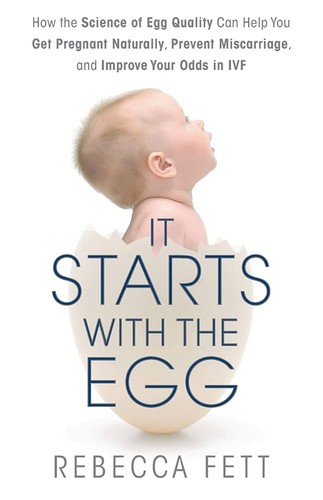
4. It Starts with the Egg by Rebecca Fett
Rating: ⭐⭐⭐⭐⭐ (5/5)
Who this is for: The person who wants practical strategies for improving fertility. If you’re looking for evidence-based lifestyle changes, this book provides them.
“Fett’s research on environmental toxins and egg quality changed everything. I made three simple changes (switching to glass containers, removing BPA, adding CoQ10) and my next IVF cycle was successful.” — Thomas K.
My take: This book provides evidence-based strategies for improving egg and sperm quality through lifestyle changes. Fett reviews the scientific literature on environmental toxins, supplements, and diet—and provides specific recommendations for each. I implemented her recommendations (switching to glass food storage, removing BPA products, adding CoQ10 and vitamin D) and saw measurable improvements in my fertility markers. The key insight: you have more control over your fertility than you think.

5. Unspeakable Losses by Kim Kluger-Bell
Rating: ⭐⭐⭐⭐ (4/5)
Who this is for: The person struggling to process the emotional toll of fertility treatments. If IVF, IUI, or other treatments have left you emotionally depleted, this book addresses the psychological impact.
“Kluger-Bell’s book helped me understand that the emotional toll of fertility treatments is real and valid. I wasn’t weak—I was going through something incredibly difficult.” — Jennifer B.
My take: This book specifically addresses the psychological impact of fertility treatments—the hope, the disappointment, the hormonal rollercoaster, and the strain on relationships. Kluger-Bell, a therapist who specializes in fertility issues, provides strategies for coping with the emotional demands of treatment. Her concept of “the fertility treatment cycle of emotions” (hope, anxiety, disappointment, grief, repeat) described my experience perfectly. I started seeing a therapist who specializes in fertility issues, and it made all the difference.

6. An Exact Replica of a Figment of My Imagination by Elizabeth McCracken
Rating: ⭐⭐⭐⭐⭐ (5/5)
Who this is for: The person who wants a literary memoir about pregnancy loss. If you need beauty in your grief, McCracken’s prose provides it.
“McCracken’s memoir about her stillborn son is the most beautiful thing I’ve ever read about loss. Her language gave shape to my own shapeless grief.” — Emily T.
My take: This slim, stunning memoir is written by a novelist who lost her first child to stillbirth. McCracken’s prose is precise, tender, and achingly beautiful. She captures the specific grief of losing a baby you never got to know—the grief for a future that will never exist. Reading this book felt like having someone sit with me in my grief without trying to fix it. Sometimes that’s all you need.

7. The Trying Game by Amy Klein
Rating: ⭐⭐⭐⭐ (4/5)
Who this is for: The person who wants a comprehensive guide to the fertility journey. If you’re just starting fertility treatments and need a roadmap, this book provides it.
“Klein’s book was my fertility bible. She covers everything from choosing a doctor to managing the emotional toll to deciding when to stop. I referenced it constantly during my journey.” — Lisa P.
My take: Klein, a journalist who went through her own fertility journey, provides a comprehensive guide to navigating fertility treatments. She covers the medical aspects (choosing a doctor, understanding treatment options) and the emotional aspects (coping with disappointment, managing relationships). Her “decision tree” for when to continue treatment vs. when to stop was invaluable for my own journey. This book became my constant companion.

8. Three Minus One by Brooke Warner & Hanoch Guy
Rating: ⭐⭐⭐⭐ (4/5)
Who this is for: The person who needs to know they’re not alone. This anthology of stories from parents who’ve lost babies provides community through shared experience.
“Reading other parents’ stories of loss made me realize I wasn’t alone. My grief wasn’t crazy—it was normal. This book connected me to a community I didn’t know existed.” — Robert M.
My take: This anthology collects stories from parents who’ve experienced pregnancy and infant loss. The diversity of experiences—miscarriage, stillbirth, neonatal death, TFMR—shows that loss takes many forms, but the grief is universal. Reading these stories made me feel less alone and more understood. I now recommend this book to anyone who’s experienced loss and feels isolated.

9. Pregnancy After Loss by Carol Cirulli Lanham
Rating: ⭐⭐⭐⭐ (4/5)
Who this is for: The person who’s pregnant again after a loss. If you’re expecting but terrified, this book addresses the unique anxiety of pregnancy after loss.
“Lamham’s book addressed the fear I couldn’t admit: I was pregnant again and terrified of losing this baby too. Her strategies for managing pregnancy anxiety gave me permission to hope.” — Sarah M.
My take: This book specifically addresses pregnancy after loss—a topic that’s rarely discussed. Lanham captures the unique anxiety of being pregnant again after losing a baby: the fear of bonding, the hypervigilance, the inability to trust your own body. Her strategies for managing anxiety and building trust were invaluable during my own pregnancy after loss. I read this book three times during my pregnancy, and each reading provided comfort.

10. The Art of Waiting by Belle Boggs
Rating: ⭐⭐⭐⭐⭐ (5/5)
Who this is for: The person searching for meaning in their fertility journey. If you’re struggling with the existential questions that infertility raises, this book explores them beautifully.
“Boggs’ exploration of waiting—what it means, how it changes you, what it teaches you—transformed my experience of infertility from suffering to meaning.” — David H.
My take: This book is part memoir, part meditation on waiting. Boggs, who went through her own fertility journey, explores what it means to wait for something you desperately want—and may never get. Her exploration of the philosophy of waiting, the biology of fertility, and the social pressure to reproduce is profound and beautiful. Reading this book helped me find meaning in my own waiting—and eventually peace with whatever outcome I received.
Frequently Asked Questions (Fertility Struggles Edition)
Q: How long should we try before seeing a doctor? A: If you’re under 35, try for one year. If you’re over 35, try for six months. If you have known fertility issues (irregular periods, PCOS, endometriosis), see a doctor sooner. There’s no shame in seeking help early.
Q: How do I handle pregnancy announcements from friends? A: Give yourself permission to feel jealous, sad, or angry. These feelings don’t make you a bad person—they make you human. Take space from announcements if you need to. Unfollowing friends on social media is okay.
Q: How do I talk to my partner about our fertility struggles? A: Be honest about your feelings without blaming. Use “I” statements (“I feel scared when…”). Consider couples counseling if the strain is affecting your relationship. The fertility journey can either bring you closer together or drive you apart—communication is key.
Q: How do I know when to stop fertility treatments? A: Only you can make this decision. Consider: your emotional wellbeing, your financial situation, your relationship health, and your gut feeling. The Trying Game provides a helpful decision framework. There’s no shame in stopping—and there’s no shame in continuing.
Q: How do I grieve a loss that nobody saw? A: Your loss is real regardless of how far along you were. Give yourself permission to grieve fully. Seek support from people who understand (support groups, therapists who specialize in pregnancy loss). Empty Cradle, Broken Heart addresses this directly.
Q: Will the pain ever go away? A: The sharp, overwhelming pain of early grief will soften over time. But grief isn’t something you “complete”—it’s something you integrate into your life. You’ll always carry your loss, but you’ll learn to carry it with grace.
Q: How do I support someone going through fertility struggles? A: Listen without fixing. Don’t offer advice unless asked. Acknowledge their pain without minimizing it. Instead of “It’ll happen when it’s meant to,” try “I’m so sorry you’re going through this. I’m here for you.”
Q: Is it normal to feel angry at pregnant people? A: Yes. Jealousy and anger are normal responses to an unfair situation. You’re not a bad person for feeling this way. You’re a person in pain. Give yourself grace.
Your Next Move
Fertility struggles and pregnancy loss are among the most difficult experiences a person can face. The grief is real, the pain is valid, and you don’t have to go through it alone.
These ten books gave me the information to make informed decisions, the validation to honor my grief, and the community to know I wasn’t alone. They didn’t take the pain away—but they made it bearable.
So start with one book. Maybe Not Broken if you need medical information, or Empty Cradle, Broken Heart if you need to grieve. Read it when you’re ready—there’s no rush.
Because your fertility journey is yours. Your grief is valid. And you are not broken.
Which book are you grabbing first?
Disclosure: This post contains Amazon affiliate links. If you purchase through these links, I may earn a small commission at no extra cost to you. This helps support the blog and allows me to continue bringing you honest book recommendations. Thank you!