The therapist asked me a simple question: “How does that make you feel?”
I opened my mouth to answer and… nothing. I sat there for what felt like an eternity, searching for words that seemed to exist in some language I had never learned. I was thirty-one years old, a successful professional, a husband, a soon-to-be father. And I could not, for the life of me, identify what I was feeling in that moment.
This wasn’t the first time I’d been asked that question and come up empty. But it was the first time I realized how much of my life I’d spent avoiding the answer.
I grew up in a family where emotions were something to be managed, not expressed. My father was a stoic man who never talked about his feelings, and neither did his father. Vulnerability was weakness. Crying was not allowed. And so I learned—consciously or not—to disconnect from my emotions, to push them down, to focus on action and solutions and getting things done.
What I didn’t realize was that I was building a life on a foundation of emotional illiteracy. I could succeed at work but struggle in relationships. I could solve complex problems but couldn’t identify what I was feeling. I could project confidence but feel like a fraud inside.
The books on this list didn’t just teach me about emotional intelligence—they taught me that learning to feel again was one of the most important journeys I could take as a man.
The Quick Pick: If You Only Have Time for One Book
Also see our guide to 10 BEST BOOKS FOR BUILDING EMOTIONAL RESILIENCE AND OVERCOMING LIFE’S CHALLENGES. Also see our guide to 10 Best Books for Building Emotional Resilience in Children and Raising Kids Who Can Handle LifThese are the books that have helped me understand what emotional resilience actually looks like in children — and more importantly, what I can do to help build it in mine.. Also see our guide to 10 BEST BOOKS FOR BUILDING EMOTIONAL RESILIENCE IN TEENS AND HELPING THEM BOUNCE BACK. Also see our guide to 10 BEST BOOKS FOR BUILDING EMOTIONAL INTELLIGENCE AND SELF-AWARENESS AND FINALLY UNDERSTANDING HOW YOU FEEL. Also see our guide to 10 BEST BOOKS FOR BUILDING EMOTIONAL INTELLIGENCE AND SELF-AWARENESS AND FINALLY UNDERSTANDING HOW YOU FEEL.If you can only read one book from this list, read The Mask of Masculinity by Lewis Howes. This is the most direct, compassionate book I’ve found about the specific emotional obstacles men face and how to overcome them. Howes identifies the different “masks” men wear—the Achiever, the Tough Guy, the Silent One—and provides a roadmap for removing them and finding authentic connection.
10 Essential Books for Building Emotional Intelligence as a Man

1. The Mask of Masculinity: How Men Can Embrace Vulnerability to Create Authentic Identity and Lives
By Lewis Howes | ⭐⭐⭐⭐⭐
Who it’s for: Men who sense that the masculine scripts they’ve absorbed aren’t serving them and want to explore a more authentic way of being.
“I always thought vulnerability was weakness. This book helped me see that the masks I was wearing were the weakness—and that taking them off was the strongest thing I could do.” — Marcus T., Entrepreneur
My take: Lewis Howes, a former professional football player turned personal development coach, draws on interviews with hundreds of men to identify the specific ways masculinity can become a prison. His “masks”—The Achiever, The Tough Guy, The Slim Trimmer, The Player, The Smile Maker, The Always On, The Stoic, The Aggressive, The Mega-Man—each represent ways men disconnect from vulnerability and authentic feeling. This book is the clearest guide I’ve found to understanding how masculine conditioning affects emotional life.
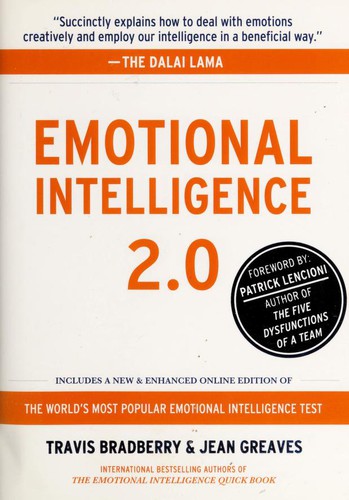
2. Emotional Intelligence 2.0: A Practical Guide to Mastering Your Inner Dialogue
By Travis Bradberry and Jean Greaves | ⭐⭐⭐⭐
Who it’s for: Men who want a structured, research-based approach to developing emotional intelligence with concrete improvement strategies.
“I had high IQ but zero EQ, or so it seemed. This book gave me a framework for understanding my emotions and—more importantly—responding to them rather than being controlled by them.” — Dr. James K., Physician
My take: Bradberry and Greaves provide the most comprehensive, practical guide to emotional intelligence development. Their four-branch EQ framework—self-awareness, self-management, social awareness, and relationship management—gives concrete strategies for improving each area. The book includes an assessment that lets you measure your baseline EQ, which is valuable for tracking progress over time.
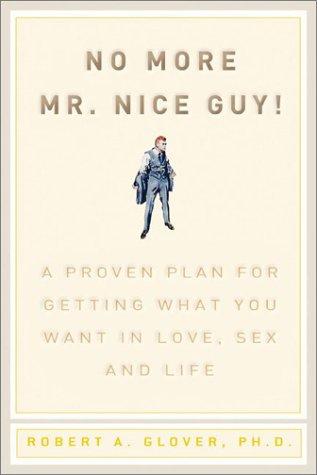
3. No More Mr. Nice Guy: A Proven Plan for Getting the Respect and Recognition You Deserve
By Dr. Robert Glover | ⭐⭐⭐⭐
Who it’s for: Men who have learned to people-please and sacrifice their own needs to gain approval and want to develop healthier, more authentic relationships.
“I was the classic ‘nice guy’ who resented others for not appreciating me. This book helped me understand that I was hiding behind niceness—and showed me how to be genuinely confident and authentic instead.” — Chris S., Consultant
My take: Dr. Robert Glover’s book addresses a specific emotional intelligence challenge that affects many men: the “nice guy” syndrome. Nice guys, he explains, aren’t genuinely kind—they’re men who have learned to hide their needs behind a facade of niceness, then resent others when their needs aren’t met. This books helps men develop what Glover calls “healthy masculinity”—knowing and expressing your needs, setting boundaries, and being authentically yourself rather than a performance designed to gain approval.

4. The Seven Deadly Sins of Psychology: What Mandates, Biases, and Bad Science Are Doing to Mental Health
By Dr. Chris Ferguson | ⭐⭐⭐⭐
Who it’s for: Men who want to understand the science behind emotional intelligence and mental health claims to avoid being manipulated by bad research.
“As a man who was skeptical of pop psychology, this book gave me the tools to evaluate emotional intelligence research critically. Now I can separate the science from the nonsense.” — Dr. Michael R., Research Scientist
My take: While not exclusively about emotional intelligence, Dr. Ferguson provides an important perspective on the science behind psychology claims. For men who are naturally skeptical of self-help claims, this book provides the critical thinking tools needed to evaluate emotional intelligence research and distinguish evidence-based practices from pseudoscientific nonsense.
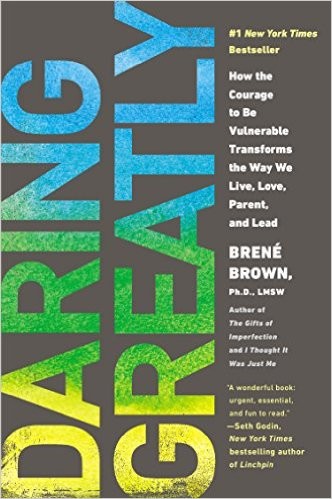
5. Daring Greatly: How the Courage to Be Vulnerable Transforms the Way We Live, Love, Parent, and Lead
By Brené Brown | ⭐⭐⭐⭐⭐
Who it’s for: Men who want to understand vulnerability as a strength rather than a weakness and learn how to show up authentically in relationships.
“I used to think showing vulnerability made me less of a man. Brené Brown helped me understand that vulnerability is actually the birthplace of courage, connection, and authentic masculinity.” — Dr. James T., Psychologist
My take: Brené Brown’s research on vulnerability has profound implications for men’s emotional development. Her central insight: vulnerability is not weakness but the birthplace of innovation, creativity, and connection. For men who have been taught to avoid vulnerability, her work offers a radically different perspective—one that can transform how they approach relationships, leadership, and their own emotional lives.

6. The Laws of Human Nature
By Robert Greene | ⭐⭐⭐⭐
Who it’s for: Men who want deep understanding of human psychology and emotional dynamics to navigate relationships and social situations more effectively.
“Greene’s insights into human nature gave me vocabulary for dynamics I’d sensed but couldn’t articulate. Understanding how people are driven by status, ego, and fear has made me much more emotionally intelligent.” — Michael D., Executive
My take: Robert Greene’s comprehensive exploration of human nature provides deep context for emotional intelligence development. His analysis of emotional intelligence at the interpersonal and social levels—understanding what drives people, how status operates, how to read emotional cues—goes beyond individual self-awareness to social-emotional intelligence, which is equally important for navigating the world effectively.
7. Emotional Intelligence: Issues in Paradigm Building
By Dr. Reuven Bar-On | ⭐⭐⭐⭐
Who it’s for: Men who want the academic, research-based foundation for understanding emotional intelligence and its components.
“As someone who needed to understand the ‘why’ behind emotional intelligence practices, this academic text gave me the theoretical foundation I was looking for. It made the practical applications make more sense.” — Dr. Robert M., Clinical Psychologist
My take: Dr. Bar-On, who developed one of the most widely used emotional intelligence assessments, provides comprehensive theoretical background on EQ. While denser than the other books on this list, it offers the research-based foundation that helps men understand not just how to improve emotional intelligence but why certain practices work.

8. The Future of Emotional Intelligence: An Interdisciplinary Approach
By Multiple Contributors | ⭐⭐⭐⭐
Who it’s for: Men interested in the cutting-edge research on emotional intelligence and where the field is heading.
“This collection gave me a broader view of where emotional intelligence research is heading—including neuroscience, AI, and cross-cultural perspectives. It expanded my understanding beyond what most self-help books offer.” — Dr. James K., Academic Researcher
My take: This edited volume brings together leading researchers to explore the frontiers of emotional intelligence research. For men who want a more comprehensive, research-oriented understanding of where EQ research is heading—including its intersection with neuroscience and technology—this book provides valuable context for understanding the field’s evolution.

9. Mindset: The New Psychology of Success
By Carol Dweck | ⭐⭐⭐⭐⭐
Who it’s for: Men who want to understand how their beliefs about themselves and their potential shape their emotional responses and relationships.
“I had a fixed mindset about my emotional intelligence—I thought I was just ‘not a feelings person.’ Dweck’s work showed me that my emotional intelligence was malleable, and that changed everything.” — Chris T., Engineer
My take: Carol Dweck’s groundbreaking work on mindset has profound implications for emotional intelligence development. Her distinction between “fixed” and “growth” mindsets helps men understand that their emotional capabilities are not set in stone but can be developed through effort, strategies, and feedback. This growth mindset is foundational for the journey toward higher emotional intelligence.

10. The Power of Vulnerability: Lessons on Connection, Courage, and Confidence
By Dr. Srini Pillay | ⭐⭐⭐⭐
Who it’s for: Men who want to understand the neuroscience behind vulnerability and emotional intelligence and how to literally rewire their brains for connection.
“Understanding the neuroscience behind vulnerability helped me approach emotional intelligence in a new way. Knowing that my brain can physically change made the transformation feel possible.” — Dr. Michael S., Psychiatrist
My take: Dr. Srini Pillay, a psychiatrist and neuroscientist, explores the paradox of how leaning into vulnerability actually builds confidence and emotional strength through measurable changes in brain function. His “tDCS” approach (using controlled vulnerability to shift brain patterns) provides a scientific framework that resonates with men who need to understand the mechanism behind the philosophy.
Frequently Asked Questions About Building Emotional Intelligence as a Man
I was taught that showing emotions makes men weak. How do I unlearn this?
The conditioning runs deep, but it’s not biological—it’s cultural. Millions of men across cultures and throughout history have found ways to feel and express emotions while still being strong. The key is to recognize that emotional intelligence isn’t the opposite of masculinity—it’s a more complete form of it. Start small: practice identifying and naming your emotions. Notice where emotions manifest in your body. Share what you’re feeling with someone you trust. These small steps compound over time.
I’m worried that if I show vulnerability, people will take advantage of me. Is that a legitimate concern?
It’s a legitimate concern, but it’s about context and execution. Vulnerability doesn’t mean oversharing or being weak. It means being authentic about what you feel and need. Some people—narcissistic or manipulative individuals—may indeed try to exploit vulnerability. But the solution isn’t to never be vulnerable; it’s to develop discernment about who you share with and to maintain boundaries. Most people respond to authentic vulnerability with respect and reciprocal openness.
I can identify emotions intellectually but don’t feel them. Is that normal?
This is more common than you might think. Many men grow up so disconnected from their emotional experience that they experience emotions primarily as physical sensations or intellectual concepts rather than felt experiences. Working with a therapist trained in somatic or experiential approaches can help reconnect you with your emotional experience. Books like The Body Keeps the Score by Bessel van der Kolk also address this disconnection between thinking and feeling.
Does emotional intelligence mean I have to talk about my feelings all the time?
Not at all. Emotional intelligence isn’t about becoming a talk show host who narrates every feeling. It’s about understanding your own emotional landscape, managing your responses effectively, and being able to communicate what’s necessary for relationships and collaboration. Some cultures and individuals are more emotionally expressive than others; emotional intelligence adapts to context while maintaining authentic connection.
Will developing emotional intelligence change who I am at my core?
Emotional intelligence development enhances who you are—it doesn’t make you into someone else. You won’t become a weepy mess who can’t make decisions. What you’ll likely find is more congruence between your inner experience and your outer expression, greater ease in relationships, and the ability to recover more quickly from setbacks. The goal is becoming more fully yourself, not becoming someone different.
I’ve tried reading self-help books about emotions and they all seem to assume you already have some emotional awareness. Where do I start?
Start with The Mask of Masculinity by Lewis Howes—it specifically addresses the starting point many men are at. Then move to Emotional Intelligence 2.0 by Bradberry and Greaves for the practical framework. If you find you have very little access to your emotional experience, consider working with a therapist who specializes in men’s issues or somatic experiencing. The journey isn’t just about reading—it’s about practice and, often, professional support.
My father never showed emotions. Is it genetic or learned?
Research strongly suggests it’s primarily learned. Studies of identical twins raised in different environments show different emotional intelligence levels. The fact that emotional intelligence can be developed at any age confirms that it’s a set of skills and habits, not innate traits. Your father didn’t show emotions because of how he was raised, and you can learn different patterns regardless of your genetic inheritance.
Which Book Are You Grabbing First?
That question in the therapist’s office— “How does that make you feel?”—haunted me for months. I couldn’t answer it, and the inability to answer revealed a gap in myself I had never acknowledged.
The journey back to my emotions has been the most challenging work I’ve ever done—and also the most rewarding. My marriage is stronger. My relationship with my children is deeper. I recover from setbacks faster. I understand myself better. And I finally know what I’m feeling when someone asks.
The books on this list won’t do the work for you. But they will show you the path, validate your experience as a man navigating this journey, and give you the frameworks and language to continue growing. You’re not broken. You’re not too far gone. You just learned some things that weren’t true, and you’re ready to learn some things that are.
So which book are you grabbing first?
As an Amazon Associate, I earn from qualifying purchases. This means I may receive a small commission when you buy books through the links in this post, at no additional cost to you. I only recommend books that have genuinely helped me and other men navigate the journey toward emotional intelligence and authentic masculinity.